Yarn Fiber Properties: A Crafter’s Complete Guide
Yarn fiber properties are defined as the physical and mechanical characteristics of a fiber that determine how yarn behaves during crafting and in the finished piece. Understanding yarn fiber properties is the single most important skill a knitter or crocheter can develop. The right fiber choice affects warmth, drape, elasticity, durability, and how easy a garment is to care for. This guide covers the three main fiber categories, the nine core properties that govern yarn performance, and a practical framework for matching fiber to project so every stitch counts.
What are the main types of yarn fibers and their core characteristics?
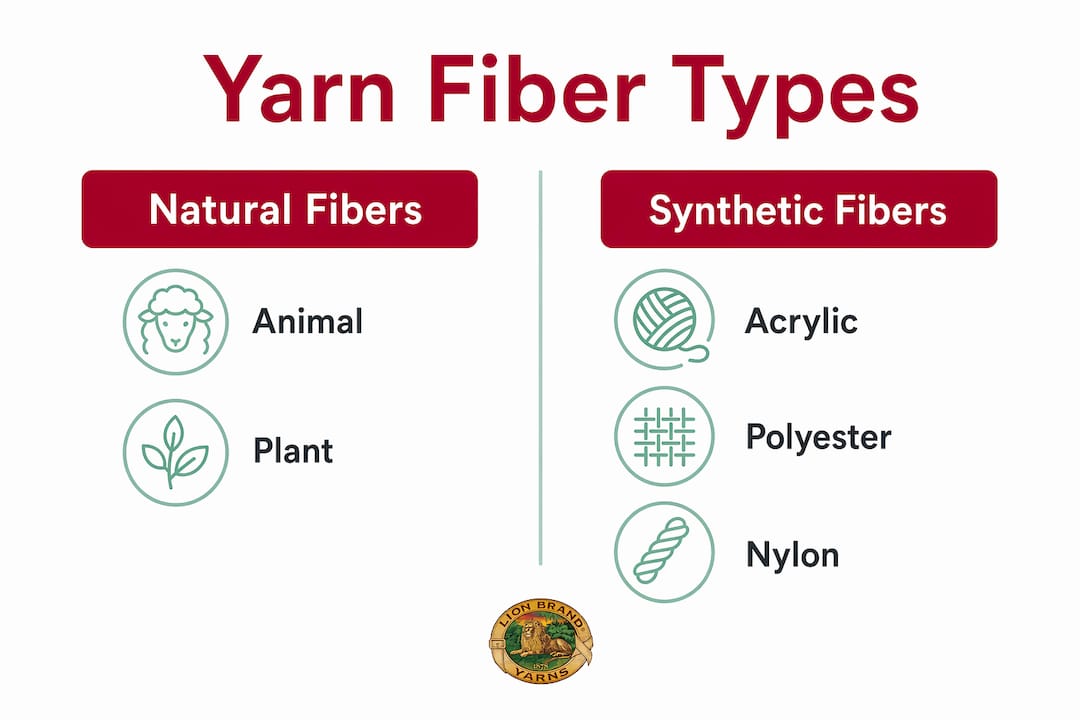
Yarn fibers fall into three categories: animal, plant, and synthetic. Each group behaves differently on the needle or hook, and each suits a different range of projects.
Animal fibers
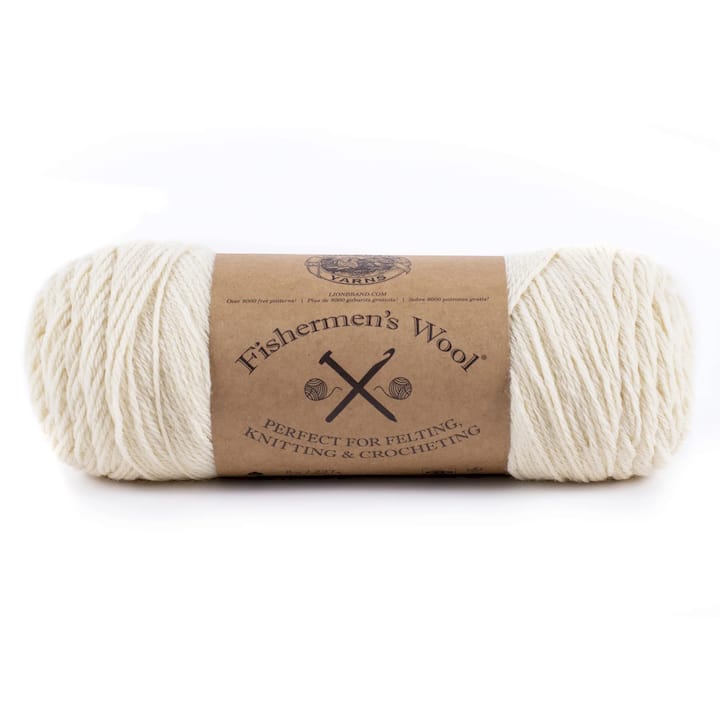
Animal fibers include wool, alpaca, silk, and mohair. Wool is the most versatile of the group. Wool absorbs up to 30% of its own weight in water before feeling wet, which gives it superior thermal regulation and moisture management compared to plant fibers. That quality makes wool the top choice for cold-weather garments like hats, mittens, and sweaters. Lion Brand Fishermen’s Wool Yarn and Local Grown Yarn both showcase wool’s natural elasticity and warmth in a format that is easy to work with.
Alpaca is softer than most wool and produces a beautiful drape, making it ideal for shawls and lightweight wraps. Silk adds luster and weight. Mohair creates a halo effect that softens stitch definition, which works well for decorative pieces but can make intricate stitch patterns harder to read.
Plant fibers
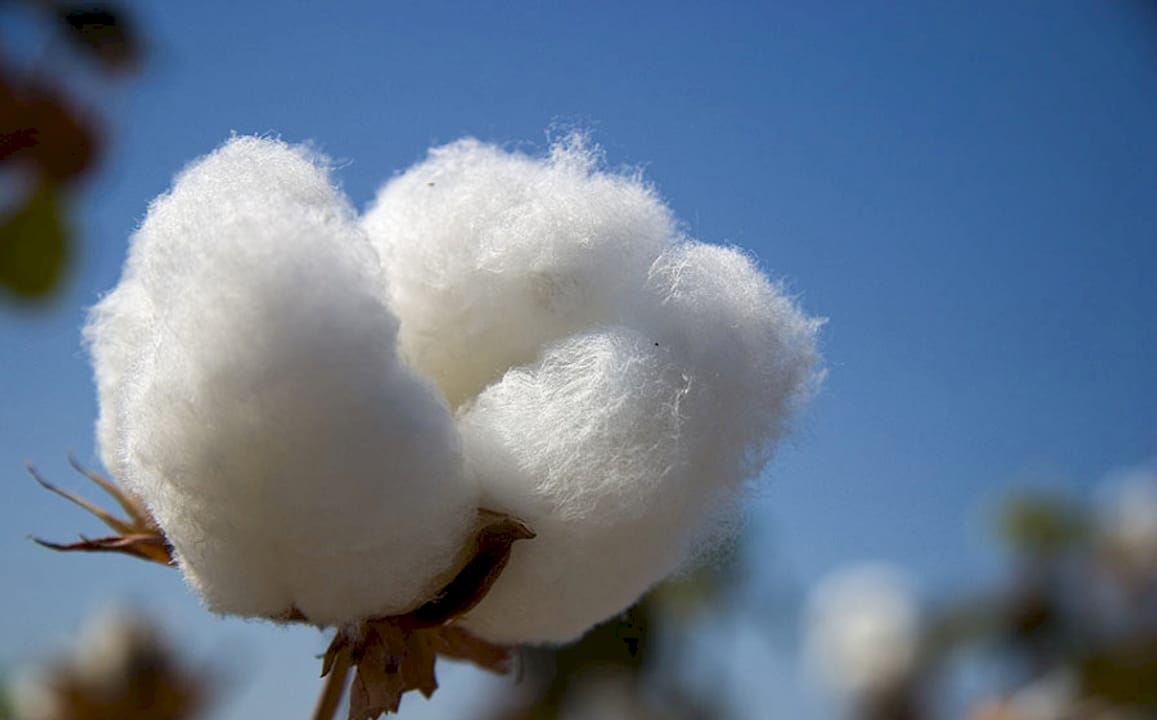
Plant fibers include cotton, linen, and bamboo. Cotton is breathable, absorbent, and machine washable, which makes it the standard choice for summer garments, dishcloths, and baby items. Lion Brand 24/7 Cotton Yarn is a mercerized cotton that holds its color and shape wash after wash. Linen is stronger than cotton and becomes softer with use, though it starts stiff. Bamboo, like Lion Brand Coboo Yarn, blends bamboo with cotton for a silky drape and gentle feel against sensitive skin.
Synthetic fibers
Synthetic fibers such as acrylic, polyester, and nylon are engineered for durability and easy care. Acrylic is colorfast, machine washable, and resistant to pilling when treated, which is why Lion Brand Vanna’s Choice Yarn and Pound of Love Yarn are trusted for baby blankets and everyday wear. The trade-off is that synthetics lack the natural moisture management and elasticity of animal fibers.
| Fiber Type | Warmth | Elasticity | Care | Best For |
|---|---|---|---|---|
| Wool | High | High | Hand wash or machine gentle | Cold-weather garments |
| Alpaca | High | Medium | Hand wash | Shawls, wraps |
| Cotton | Low | Low | Machine washable | Summer wear, dishcloths |
| Bamboo | Low | Low | Machine washable | Lightweight garments |
| Acrylic | Medium | Medium | Machine washable | Baby items, everyday wear |
Which physical and mechanical properties define yarn fiber performance?
Nine core fiber properties are necessary for successful yarn formation: length, strength, fineness, flexibility, elasticity, cohesiveness, uniformity, cleanliness, and moisture regain. Each one shapes how a yarn feels in your hands and how the finished fabric holds up over time.
Fiber length determines how well fibers bind together during spinning. Longer fibers produce smoother, stronger yarns with less pilling. Short fiber content is the most significant predictor of yarn tenacity, meaning yarns spun from shorter fibers break more easily under stress. That is why long-staple cotton and fine merino wool produce such consistent, durable results.
Fiber strength, measured as tenacity, controls how much tension a yarn can handle during knitting or crocheting without snapping. High-strength fibers like nylon are often blended into sock yarn for exactly this reason. Fineness refers to fiber diameter, measured in microns. Finer fibers feel softer because they flex rather than prick the skin. Coarser fibers are stiffer and can feel scratchy, regardless of fiber type.
Elasticity is the fiber’s ability to return to its original length after stretching. Wool scores high here.
Flexibility is related but distinct. It describes how easily a fiber bends without breaking. Both properties together determine how a yarn handles repeated use and washing.
Cohesiveness is the friction between fibers that holds a yarn together. Wool’s natural scales create high cohesiveness, which is why wool yarns felt when agitated in hot water. Moisture regain describes how much water a fiber absorbs from the air. High moisture regain, as seen in wool and cotton, improves comfort against skin. Low moisture regain, typical of synthetics, can cause static and reduce breathability.
Pro Tip: When choosing yarn for a wearable garment, prioritize fineness and elasticity. A fine, elastic fiber like merino wool such as LB Collection Superwash Merino will feel comfortable against skin and hold its shape through repeated wear.
| Property | What It Affects | High Score Example | Low Score Example |
|---|---|---|---|
| Fiber length | Strength, pilling resistance | Long-staple cotton | Short-staple cotton |
| Fineness | Softness, skin comfort | Fine merino wool | Coarse wool |
| Elasticity | Shape retention, stretch recovery | Wool | Cotton |
| Cohesiveness | Yarn integrity, felting potential | Wool | Acrylic |
| Moisture regain | Breathability, comfort | Cotton, wool | Acrylic, polyester |
How do fiber cross-section and crimp affect yarn look and feel?
The microscopic structure of a fiber shapes its luster, texture, and warmth in ways that are easy to feel but often overlooked. Two features matter most: cross-sectional shape and crimp.
Fiber cross-sectional shape directly influences luster and moisture wicking. Round cross-sections, common in cotton and acrylic, reflect light evenly and produce a smooth, matte luster. Trilobal cross-sections, found in some synthetic fibers engineered to mimic silk, create sparkle and channel moisture away from the skin more efficiently. Crafters often overlook this feature, yet it explains why two white yarns at the same weight can look completely different in finished fabric.
Crimp refers to the natural waviness of a fiber. Wool has high crimp, which traps air between fibers and creates warmth. High crimp also gives yarn resilience, meaning it bounces back after compression. That is why a wool blanket stays lofty after being folded, while a cotton blanket flattens over time.
Crimp also affects how fibers hold together in a yarn. High-crimp fibers interlock naturally, reducing the need for heavy twist. Low-crimp fibers like silk or bamboo need more twist to stay cohesive, which is why bamboo yarns often feel denser and drapier than wool at the same weight.
Fiber length and twist together shape drape and insulation. Longer fibers with higher twist produce smooth, lustrous yarns with excellent drape. Lower twist yields bulkier, warmer fabrics with a softer hand but less stitch clarity. Lion Brand Feels Like Butta Yarn uses a low-twist microfiber construction that delivers an exceptionally soft, plush feel, ideal for baby items and cozy blankets.
How to match yarn fiber properties to your crafting project
Matching fiber to project is the practical payoff of understanding fiber properties. Easy-care fibers suit baby clothes while luxury fibers elevate accessories. The right match prevents common frustrations like sagging, pilling, and itchiness.
A step-by-step approach makes the decision straightforward:
Define the project category. Warm garments need elasticity and warmth. Baby clothes need softness and machine washability. Summer wear needs breathability and light weight. Luxury accessories benefit from drape and luster.
Identify the key fiber property for that category. For a winter sweater, prioritize elasticity and moisture regain. For a baby blanket, prioritize fineness and washability. For a summer tote, prioritize strength and low stretch.
Check care requirements. A garment that needs hand washing will not survive in a busy household. Lion Brand Vanna’s Choice Yarn and Pound of Love Yarn are machine washable, making them practical for items that see frequent use.
Consider elasticity versus sagging. Cotton’s low elasticity makes heavy cotton garments prone to sagging over time, unlike wool, which retains its blocked shape. For fitted garments or anything that needs to hold structure, choose a fiber with strong elastic recovery.
Account for allergy and sensitivity concerns. Some crafters and recipients are sensitive to animal fibers. In those cases, a fine acrylic or a plant-based blend is the safer choice. Lion Brand Hometown Yarn delivers softness without any animal fiber content.
Avoid these common mistakes. Choosing yarn by color alone without checking fiber content leads to mismatched project outcomes. Using a low-elasticity fiber for a fitted hat produces a hat that stretches out of shape. Selecting a high-crimp wool for a delicate lace shawl can obscure the pattern detail.
A slight change in twist or yarn count significantly alters yarn handling, strength, and dye response. Two yarns with identical fiber content can behave very differently if their twist levels differ. Reading the label and swatching before committing to a full project saves time and frustration.
Key Takeaways
Fiber properties, not color or brand, determine whether a yarn succeeds in a given project, making fiber knowledge the most practical skill a crafter can build.
| Point | Details |
|---|---|
| Nine core properties govern yarn | Length, strength, fineness, elasticity, and moisture regain all shape yarn performance. |
| Fiber type sets the baseline | Animal fibers offer warmth and elasticity; plant fibers offer breathability; synthetics offer durability. |
| Cross-section and crimp matter | These microscopic features control luster, warmth, and stitch definition in finished fabric. |
| Match fiber to project function | Prioritize elasticity for fitted garments, washability for baby items, and breathability for summer wear. |
| Twist changes everything | Even identical fiber content performs differently depending on how much twist a yarn carries. |
What Lion Brand has learned from 145 years of fiber selection
The most common misconception crafters hold is that scratchiness is a wool problem. Scratchiness is a diameter problem. Fine merino wool feels soft against skin because its fibers are thin enough to flex rather than prick. A coarse wool of any breed will feel rough, while a fine acrylic can feel surprisingly gentle. Fiber diameter, measured in microns, is the real variable. That insight changes how you shop.
The second misconception is that synthetic fibers are always inferior. Acrylic has earned its reputation as a workhorse fiber for good reason. It holds color brilliantly, survives machine washing without complaint, and resists the kind of wear that destroys delicate natural fibers in high-use items. Lion Brand Basic Stitch Anti-Pilling Yarn demonstrates what modern acrylic engineering can achieve. It is not a compromise. It is the right tool for the right job.
The most useful exercise for any crafter is to knit or crochet the same simple swatch in three different fibers and wash each one. The differences in drape, stretch, and hand after washing teach more than any article can. Fiber knowledge becomes intuitive only through direct experience. Start with a fiber you already own, then branch out deliberately.
Ready to put your fiber knowledge to work?
Lion Brand carries yarns in every fiber category covered in this guide, from 100% cotton and merino wool to acrylic, alpaca, bamboo blends, and recycled fibers. Each product page lists fiber content, weight, and care instructions so you can apply what you know before you buy.
For crafters who want a project ready to go, Lion Brand’s knit and crochet kits pair the right yarn with a tested pattern, taking the guesswork out of fiber selection entirely. Kits like the Crochet Kit: Produce Bag & Scrubbers use cotton yarn suited to its purpose, while the Crochet Kit: Diana Basket pairs structure-friendly fiber with a pattern that shows off its best qualities. Browse the full collection at Lion Brand to find the fiber and project that match your next idea.
FAQ
What are the nine core properties of yarn fibers?
The nine core properties are length, strength, fineness, flexibility, elasticity, cohesiveness, uniformity, cleanliness, and moisture regain. Each one influences how a fiber spins into yarn and how that yarn performs in a finished project.
Why does wool feel scratchy sometimes?
Scratchiness in wool relates to fiber diameter, not the fiber type itself. Finer fibers flex against skin without irritating it, while coarser fibers are stiff enough to prick. Choosing a fine merino or a merino blend resolves the issue for most crafters.
Is cotton a good fiber for knitted garments?
Cotton works well for lightweight, breathable garments but lacks elasticity. Heavy cotton garments tend to sag over time because cotton does not recover its shape after stretching the way wool does. Structured patterns and lighter weights perform best in cotton.
How does fiber crimp affect a finished project?
High-crimp fibers like wool trap air for warmth and bounce back after compression, keeping fabric lofty. Low-crimp fibers like cotton or bamboo produce denser, drapier fabric with sharper stitch definition, which suits lace and textured patterns.
What is the easiest fiber for beginner crafters?
Machine-washable acrylic is the most forgiving fiber for beginners. It holds its shape during practice, survives mistakes and re-working, and requires no special care. Lion Brand Vanna’s Choice Yarn is a popular starting point for new knitters and crocheters.