What Is Velvet Yarn? A Crafter’s Guide to This Plush Fiber
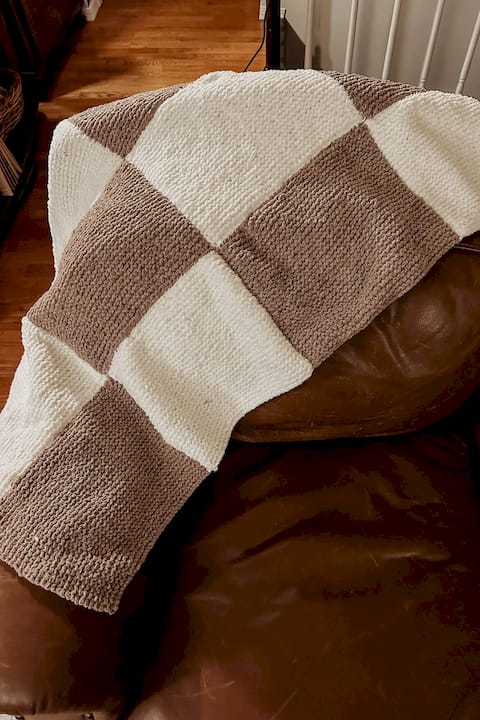
Image: Chenille Throw Blanket
Velvet yarn is defined as a plush, dense-pile yarn that delivers a soft, luxurious texture prized by knitters and crocheters for everything from cozy blankets to elegant garments. Most crafters are surprised to learn that velvet yarn is technically chenille construction, meaning short fibers are twisted around a core strand rather than woven on a loom. The two terms are used interchangeably in retail, but understanding the difference matters the moment you pick up your hook. Lion Brand, one of the most trusted names in American yarn, offers velvet-style options that put this fiber within easy reach for beginners and experienced crafters alike.
What is velvet yarn and how does it differ from chenille?
Velvet yarn, in the strictest textile sense, is woven on a loom to create a dense pile surface. That process produces a smoother, less stretchy fabric than most knitting fibers. The confusion starts because velvet and chenille are used interchangeably by retailers and pattern designers, even though their constructions differ at a technical level.
True chenille yarn is made by twisting short fibers around a central core, which creates a looser, fluffier pile with noticeably more stretch. Velvet yarn, by contrast, has a denser, smoother pile and less stretch, lending a more refined surface that photographs beautifully and drapes with quiet elegance. That lower stretch is the detail most beginners overlook, and it directly affects how you manage tension on the needle or hook.
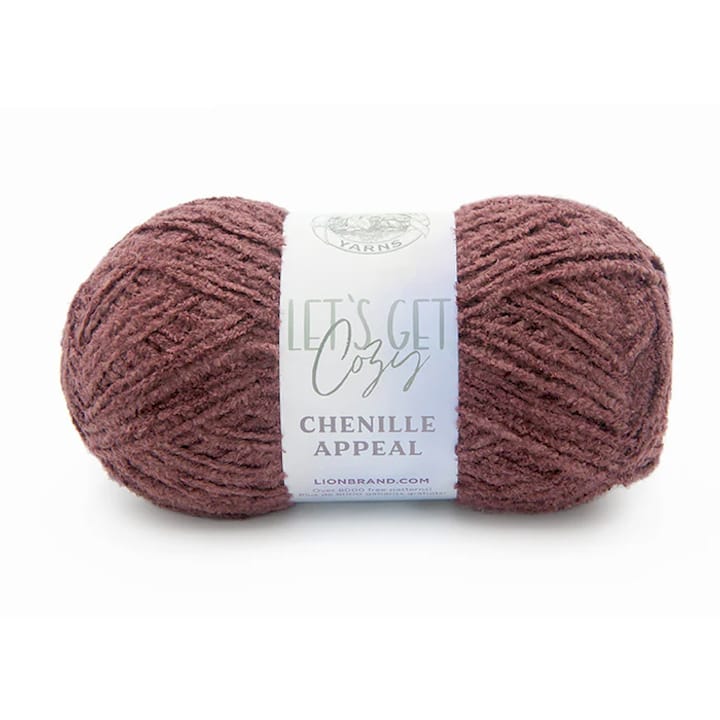
For practical crafting purposes, the distinction shapes your project choice. Velvet-style yarn suits structured garments, accessories, and items where a polished finish matters. Chenille-style yarn, with its extra give, works better for draped wraps, throws, and home items where softness and stretch are assets. The table below captures the key differences at a glance.
| Feature | Velvet yarn | Chenille yarn |
|---|---|---|
| Construction | Woven pile on loom | Short fibers twisted around core |
| Texture | Dense, smooth, refined | Fluffy, loose pile |
| Stretch | Low | Moderate to high |
| Best uses | Garments, structured accessories | Throws, wraps, home decor |
| Typical fiber | 100% polyester | Polyester or cotton blend |
What are the common types of velvet yarn available?
Velvet yarn typically comes in bulky (weight 5) and worsted (weight 4) classifications, with bulky being the most widely stocked in craft stores. That weight range makes it fast to work up and ideal for projects where you want visible stitch definition without spending weeks on a single piece. Polyester is the dominant fiber because it delivers softness, durability, and machine-washability in one package.
When it comes to specific options, Lion Brand Cover Story Posh Twist sits among the prominent velvet yarn options widely available with multiple color choices and bulky weights. These yarns are sold in pre-wound balls and skeins, so there is no winding required before you cast on. Color ranges for velvet-style yarns tend toward rich, saturated tones, jewel colors, and neutrals that show off the pile’s light-catching quality.
Here is what to look for when comparing velvet yarn options:
Fiber content: 100% polyester is the standard for softness and easy care. Some blends add nylon for extra durability in high-wear items.
Weight: Bulky (5) works up fastest and suits blankets, hats, and scarves. Worsted (4) gives you more stitch detail for fitted garments.
Yardage per skein: Bulky velvet yarns typically offer less yardage per ounce than lighter weights, so calculate your project needs carefully before purchasing.
Color depth: Look for yarns where the pile color is consistent throughout the skein. Uneven dye lots show more dramatically on velvet-style fibers than on standard acrylic.
Sheen: Higher-quality velvet yarns have a subtle luster that catches light. Flat, matte finishes can indicate a lower-pile construction that will not deliver the signature velvet look.
Lion Brand’s A Star Is Born: Naptime is a strong choice for crafters who want that signature plush hand feel in a worsted weight, while Cover Story Posh Twist steps up to bulky for faster projects. Both are machine-washable, which is a practical requirement for anything that will be used regularly.
How to use velvet yarn effectively in knitting and crochet
The single most important adjustment when working with velvet yarn is hook or needle size. A slightly smaller hook than recommended prevents loose stitches and gaps, which matter especially for amigurumi and structured items where you need a tight, even fabric. Going too large creates a floppy result that does not showcase the pile. Going too small causes hand fatigue and inconsistent tension. Start one size below the ball band suggestion and swatch before committing.

Tension management is the second challenge. Because velvet yarn has lower stretch than wool or standard acrylic, your hands cannot rely on the fiber’s elasticity to self-correct minor inconsistencies. Experts recommend adjusting tension and hook sizes mindfully with velvet yarn due to its unique texture and lower stretch. Slow down on the first few rows until the rhythm feels natural.
Finishing is where many crafters lose the quality they worked hard to build. Securing ends requires multiple knots or fabric glue because standard weaving is often insufficient to prevent shedding in plush yarn. Thread the tail through several stitches, knot it twice, and trim close. For items that will be washed frequently, a small dot of fabric glue on the knot adds insurance.
Here are the most common beginner mistakes and how to avoid them:
Splitting the yarn: Velvet yarn splits easily if your hook catches only part of the strand. Use a hook with a smooth, rounded head rather than an inline style.
Losing stitch count: The pile hides stitch markers, so use locking stitch markers that clip directly onto the loop rather than sitting between stitches.
Ignoring gauge: Velvet yarn’s pile adds visual bulk that can make your swatch look correct when it is actually off. Measure gauge after blocking, not before.
Skipping a yarn bra: Velvet yarn balls unwind quickly and tangle. Pull from the center of the ball or use a yarn bowl to control feed tension.
Pro Tip: When working amigurumi or any stuffed item with velvet yarn, use a hook one full size smaller than the label recommends. The tighter fabric prevents stuffing from showing through the pile and gives the finished piece a cleaner, more professional look.
The Hexie Baby Blanket from Lion Brand is a practical starting point for understanding how velvet-style yarn behaves in a real garment context, covering drape, tension, and finishing in a single project.
What popular projects suit velvet yarn best?
Velvet yarn’s softness and visual texture make it one of the most versatile fibers in a crafter’s stash. The projects below represent the strongest matches between the yarn’s properties and the finished item’s requirements.
Cozy blankets and throws: The plush softness and visual texture of velvet yarn enhance comfort and appearance in home items more than almost any other fiber. A simple single-crochet or knit stockinette blanket becomes a tactile showpiece when worked in bulky velvet yarn. The One Weekend Blanket from Lion Brand is a direct example of how the fiber transforms a basic stitch into something that looks store-bought.
Scarves and hats: Velvet yarn’s low stretch means scarves hold their shape without stretching out over time. Hats worked in velvet yarn have a structured crown that maintains its form through repeated wear and washing.
Sweaters and cardigans: The refined surface of velvet-style yarn gives simple stockinette and garter stitch a polished, elevated appearance. Fitted silhouettes work best because the low stretch keeps the garment from growing with wear.
Amigurumi and soft toys: The pile hides seams and minor shaping irregularities, which is why velvet yarn is a favorite for stuffed animals and character plushies. The dense fabric also holds stuffing firmly without gaps.
Home decor and pillows: Velvet yarn pillows and decorative throws bring a tactile richness to living spaces that flat-weave fabrics cannot replicate. The light-catching pile reads as luxurious even in budget-friendly polyester versions.
Seasonal and gift projects: Christmas stockings, holiday ornaments, and gift-wrapped accessories all benefit from velvet yarn’s visual impact. The Bunny Basket pattern from Lion Brand shows how the fiber adds festive texture without requiring complex colorwork.
Key takeaways
Velvet yarn is a chenille-construction fiber that delivers a dense, smooth pile, low stretch, and luxurious softness, making it ideal for structured garments, cozy home items, and beginner-friendly projects when worked with the correct hook size and finishing technique.
| Point | Details |
|---|---|
| Velvet vs. chenille construction | Most retail “velvet yarn” is chenille-style; true velvet is loom-woven with a denser, smoother pile. |
| Fiber and weight | Typically 100% polyester in bulky (5) or worsted (4) weight for softness and easy care. |
| Hook and needle sizing | Go one size smaller than the label recommends to prevent loose stitches and gaps. |
| Finishing technique | Secure ends with multiple knots or fabric glue; standard weaving in is insufficient for plush fibers. |
| Best project types | Blankets, hats, scarves, amigurumi, and home decor all showcase velvet yarn’s texture and softness. |
Start your next velvet yarn project with Lion Brand
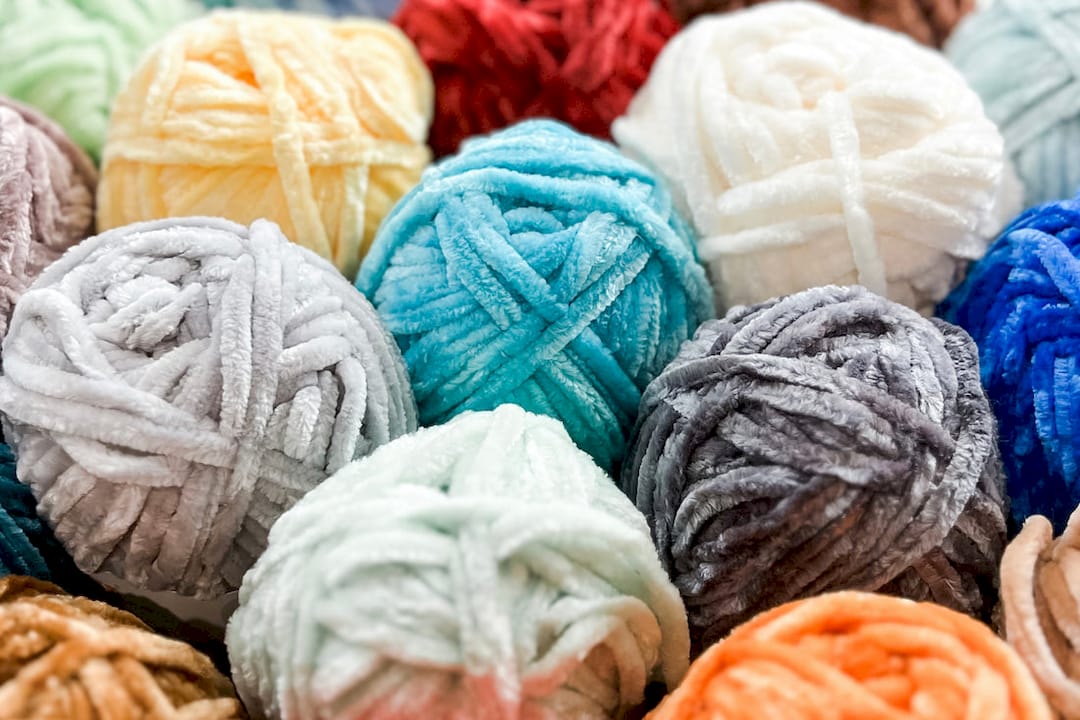
Lion Brand’s pattern library includes hundreds of designs that work beautifully with plush, velvet-style fibers. The Conyears Afghan pattern is a strong starting point for beginners who want a fast, satisfying result that shows off the yarn’s texture. For something more structured, the Sarabeth Shawl pattern demonstrates how velvet-style yarn handles shaping and drape in a wearable accessory. Lion Brand’s A Star Is Born: Naptime delivers the plush hand feel this fiber is known for, in a machine-washable formula that holds up to real use. Browse the full pattern and yarn catalog at lionbrand.com to find the right combination for your next project.
FAQ
What is velvet yarn made of?
Most velvet yarn sold to crafters is made from 100% polyester fiber using a chenille construction, where short fibers are twisted around a core strand. Polyester is favored for its softness, durability, and machine-washability.
Is velvet yarn soft?
Velvet yarn is among the softest yarn types available, with a dense pile that feels plush against the skin. The polyester fiber used in most velvet-style yarns maintains that softness through repeated washing.
Is velvet yarn good for beginners?
Velvet yarn is considered beginner-friendly because its dense pile camouflages uneven stitches, making tension errors less visible. The main challenge for beginners is securing ends properly, since standard weaving in is not sufficient for plush fibers.
What is the difference between velvet yarn and acrylic yarn?
Velvet yarn has a pile surface that creates a soft, textured finish, while standard acrylic yarn has a smooth, uniform strand with more stretch. Velvet yarn requires more careful tension management because its lower elasticity does not self-correct the way acrylic does.
What projects work best with velvet yarn?
Blankets, scarves, hats, amigurumi, and home decor items like pillows and throws are the strongest matches for velvet yarn. The fiber’s softness and visual texture enhance both comfort and appearance in these wearable and home items.
