Self-Striping Yarn: How It Works and Why You’ll Love It
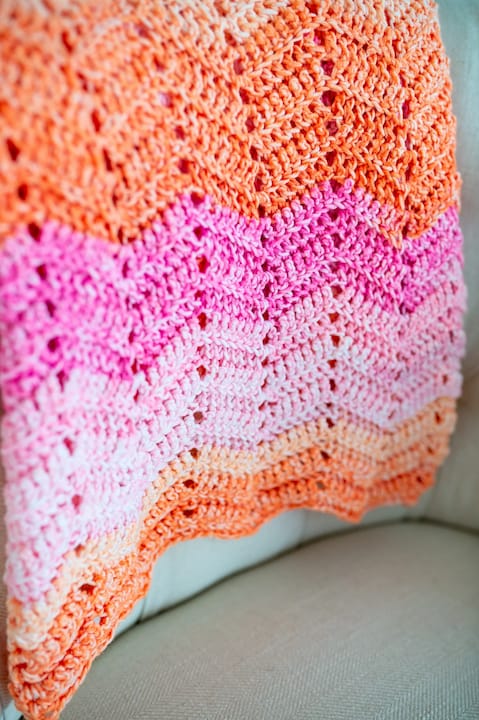
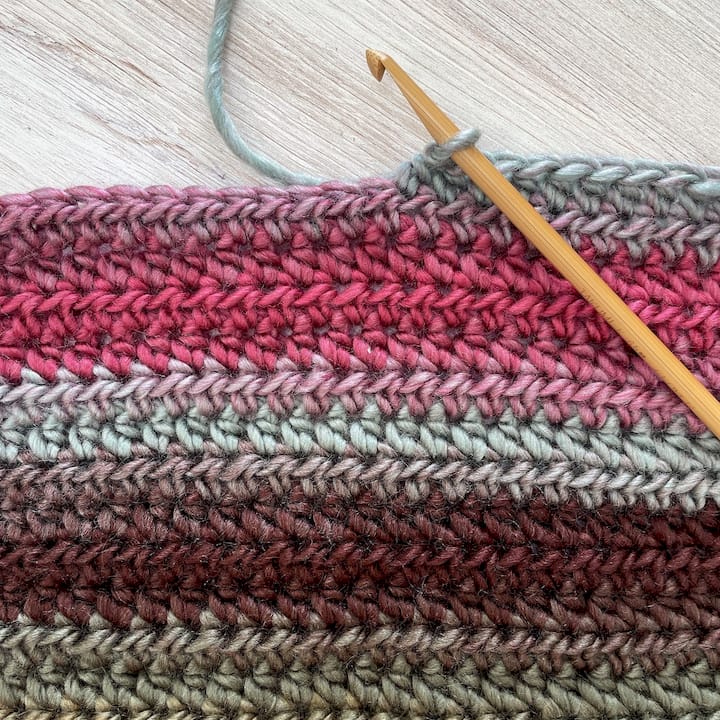
Image: Stillworth Afghan
Self-striping yarn is defined as yarn dyed in long, continuous color segments that produce automatic stripes as you knit or crochet, with no color changes required. The color shifts happen on their own because each segment is precisely long enough to complete one or more full rows before the next color begins. Lion Brand yarns like Mandala Yarn use this exact principle to deliver rich, multi-color effects from a single skein. Understanding self-striping yarn how it works gives you real control over your finished results, whether you’re making socks, scarves, or shawls.
How is self-striping yarn made to create color repeats?
Self-striping yarn is dyed in long, continuous color segments engineered to form repeating stripes automatically during knitting or crocheting. The key word is “engineered.” Dyers calculate exactly how many yards each color segment needs to span a full row at a specific gauge before the next color takes over.
Commercial dyeing methods
Commercial producers dye long strands in sections, spacing each color at intervals calculated for predictable repeats. The machinery applies dye in measured lengths, so every skein in a production run carries the same color sequence in the same proportions. That consistency is what makes the stripes line up row after row.
Hand-dyeing with yarn boards
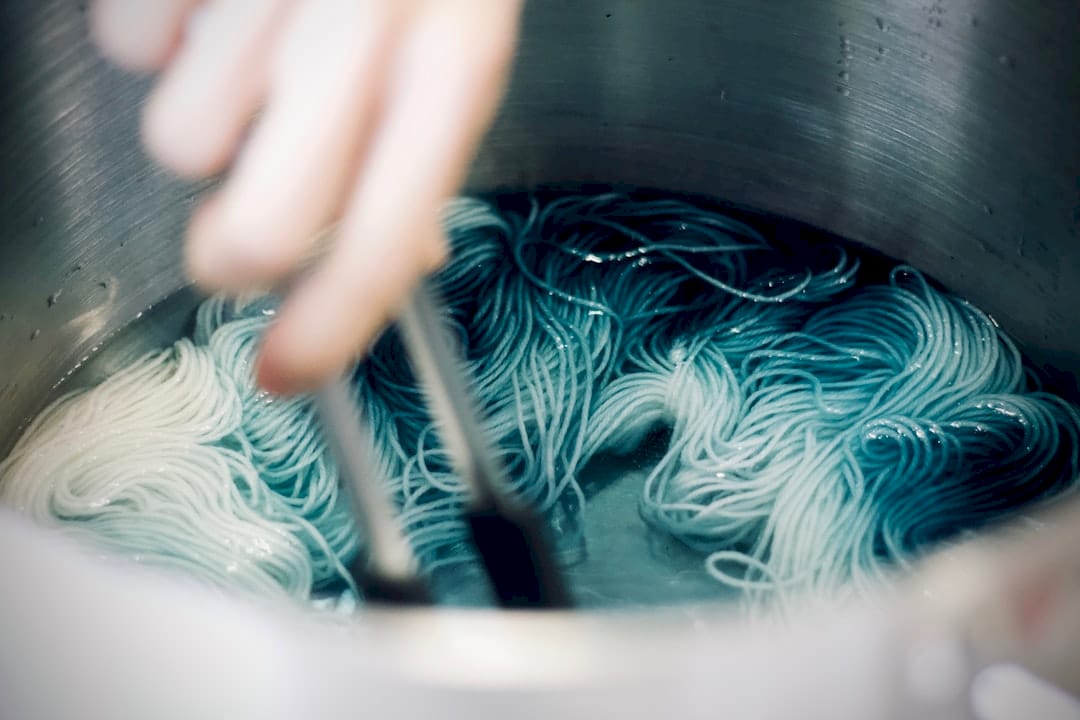
Hand-dyers use a different approach. Yarn boards for hand-dyeing allow crafters to wrap yarn around a frame at a set length, then paint or dip each section in a separate color. The board controls the repeat length the same way industrial machinery does, just on a smaller scale. Warping mills serve the same function for longer repeats.
Color transitions in self-striping yarn fall into two types:
Sharp transitions: One color ends abruptly and the next begins. This creates clean, defined stripes.
Gradual transitions: Colors blend over several yards, producing a soft ombre effect between stripes.
The choice between sharp and gradual transitions is a design decision made at the dyeing stage. You cannot change it after purchase, so reading the skein label or checking product photos before buying matters.
Pro Tip: When shopping for self-striping yarn, wind a few yards off the skein and lay them flat. You can see the full color sequence and estimate stripe width before you cast on.
How do gauge and project shape affect stripe appearance?
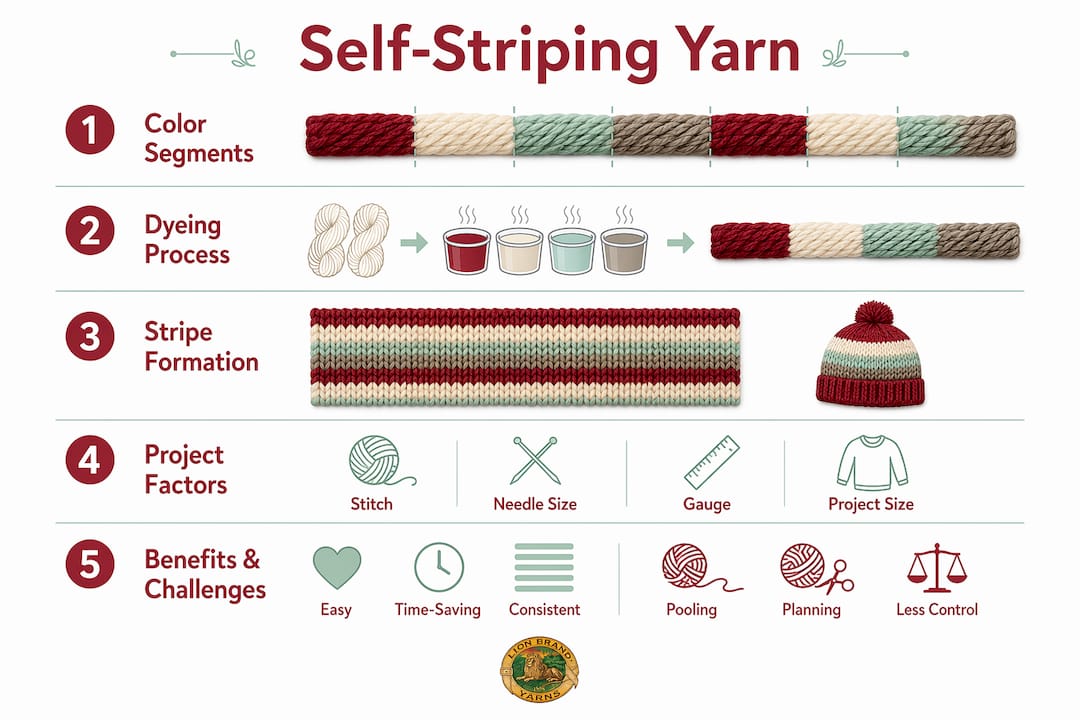
Stripe width is not fixed. Stripe width changes with project circumference, meaning the same skein produces wide stripes on a narrow sock and narrow stripes on a wide sweater body. This surprises many crafters the first time they scale up from accessories to garments.
The math is straightforward. A color segment covers a fixed number of yards. On a sock with 64 stitches per round, that segment might complete four full rounds, giving you a bold stripe. On a sweater with 200 stitches per round, the same segment covers only one partial round, creating a thin band or even a diagonal smear of color.
How color pooling happens
Color pooling occurs when stitch count and tension cause colors to stack vertically rather than form horizontal stripes. Instead of clean rows, you get blotchy patches or argyle-like diamonds. Pooling is not a defect. It is a predictable result of the relationship between color segment length and stitch count.
Three factors drive pooling behavior:
Stitch count per row: More stitches per row mean each color covers less vertical distance.
Tension: Tighter tension uses more yarn per stitch, shortening how far each color travels.
Stitch pattern: Textured stitches like cables or seed stitch break up color flow and reduce stripe clarity.
Color pooling is the other common frustration. Some crafters love the organic, painterly effect of pooled color. Others find it distracting. The honest answer is that you cannot always predict or prevent it without swatching first.
Pro Tip: If pooling appears and you dislike it, try changing your hook or needle size by half a step. A slightly larger tool increases stitch size, which shifts the color alignment and can break up unwanted pools.
Practical techniques for working with self-striping yarn
Planning before you cast on saves frustration later. A swatch is not optional with self-striping yarn. It tells you the actual stripe width at your gauge, shows whether pooling will occur, and reveals how the color sequence reads in your chosen stitch pattern.
Matching paired projects like socks
Matching socks requires dividing the skein so both start at the same point in the color repeat. The process involves finding where one full repeat ends, then winding off that portion to begin the second sock. Some yarn is lost in the process, but the result is two socks that mirror each other stripe for stripe.
Heel and toe construction choices
Afterthought heels and toe-up construction both preserve stripe continuity in sock knitting. A traditional heel-flap interrupts the color sequence because it works back and forth on fewer stitches. An afterthought heel is added after the sock body is complete, leaving the stripe pattern unbroken through the foot and leg.
The table below shows which project types work best with self-striping yarn and why:
| Project type | Why it works well |
|---|---|
| Socks | Narrow circumference creates wide, bold stripes |
| Scarves | Flat rows let the full color sequence read clearly |
| Shawls | Increasing row length creates a natural gradient effect |
| Hats | Medium circumference produces moderate stripe width |
| Blankets | Requires careful planning; stripes may be thin or uneven |
For a clever striped shawl pattern that takes full advantage of self-striping yarn’s color sequence, simple flat construction is the right call. The yarn does the design work.
When stripe irregularities appear, the best response is to work with them. Uneven stripes in a shawl read as intentional color variation. A pooled section in a scarf becomes a focal point. Embracing the yarn’s natural flow produces results that look hand-designed rather than accidental.
Key takeaways
Self-striping yarn creates automatic color stripes through precisely engineered dye repeats, and project geometry determines whether those stripes appear wide, narrow, or pooled.
| Point | Details |
|---|---|
| Dye repeat engineering | Color segments are calculated to complete full rows at a target gauge, producing consistent stripes. |
| Project geometry matters | Larger circumference projects produce narrower stripes from the same skein. |
| Simple stitches show stripes best | Stockinette, garter stitch, and single crochet let color sequences read clearly. |
| Swatch before you start | A swatch reveals actual stripe width and pooling behavior at your specific gauge. |
| Accessories are the sweet spot | Socks, scarves, and shawls give self-striping yarn the best conditions for clean, predictable stripes. |
Lion Brand’s take on mastering self-striping yarn
Self-striping yarn rewards crafters who plan a little and then let go. The biggest mistake is treating it like a solid yarn and expecting total control over color placement. The dye repeat is fixed. The project geometry is variable. Those two facts together mean every project is a collaboration between the crafter and the yarn.
The crafters who get the most out of self-striping yarn are the ones who swatch first, choose simple stitch patterns, and pick project sizes that match the yarn’s repeat length. A fingering-weight self-striping yarn with a 20-yard repeat is built for socks, not sweaters. Working against that design produces frustration. Working with it produces something genuinely beautiful.
Color pooling deserves a reframe. It is not a failure of the yarn or the crafter. It is a natural result of how color and geometry interact. Some of the most striking finished objects come from pooling that happened unexpectedly. The crafters who embrace that unpredictability end up with pieces that look intentional and original.
Lion Brand’s Mandala Ombre Yarn is a good example of how gradual color transitions can produce effects that neither the dyer nor the crafter fully controls, and that is exactly what makes each finished piece unique.
Ready to put self-striping yarn to work?
Lion Brand carries a wide range of yarns built for color effects, from the long gradients of Mandala Yarn to the soft transitions of Landscapes Yarn. Each one is pre-wound and ready to use, with no winding or prep required.
Lion Brand’s free pattern library includes hundreds of designs optimized for striping yarns, including scarves, shawls, hats, and socks with simple stitch patterns that let the color do the work. Browse the full collection of knit and crochet kits to find a project that pairs a great pattern with the right yarn, already selected and ready to go. Whether you are new to colorwork or looking to refine your stripe technique, Lion Brand has the materials and patterns to support your next project.
FAQ
What is self-striping yarn?
Self-striping yarn is yarn dyed in long, repeating color segments that automatically form stripes as you knit or crochet, with no manual color changes needed.
How does self-striping yarn create stripes without switching colors?
The dye segments are engineered to be long enough to complete one or more full rows at a target gauge, so the color shifts happen naturally as you work through the skein.
Why do my stripes look different from the skein photo?
Stripe width depends on your stitch count and project circumference. A wider project produces narrower stripes from the same skein, which is why swatching at your actual gauge is the most reliable way to preview results.
What causes color pooling in self-striping yarn?
Color pooling occurs when the color segment length aligns with the stitch count in a way that stacks the same color vertically. Adjusting hook or needle size by half a step often shifts the alignment enough to break up the pool.
What projects work best with self-striping yarn?
Socks, scarves, and shawls give self-striping yarn the best conditions for clean, readable stripes. Large garments like sweaters require careful planning because the fixed color repeat cannot be adjusted to match wider row lengths.