Natural vs Synthetic Yarn Fibers: A Crafter’s Guide
Natural fiber yarns come from plants and animals, while synthetic fibers are man-made and more durable.
Choosing the right fiber depends on project needs, considering factors like elasticity, moisture, and environmental impact.
Natural yarn fibers come from plants and animals, while synthetic yarn fibers are man-made compounds engineered for durability and performance. The distinction between natural vs synthetic yarn fibers shapes every decision a knitter or crocheter makes, from how a finished garment feels against skin to how it holds up after a dozen washes. Polyester accounts for about 55% of global fiber production, while cotton covers roughly 25%. That gap reflects how deeply synthetic fibers have penetrated everyday crafting. Understanding both categories gives you the power to choose the right fiber for every project, not just the one that looks good on the label.
What are the key differences between natural and synthetic yarn fibers?
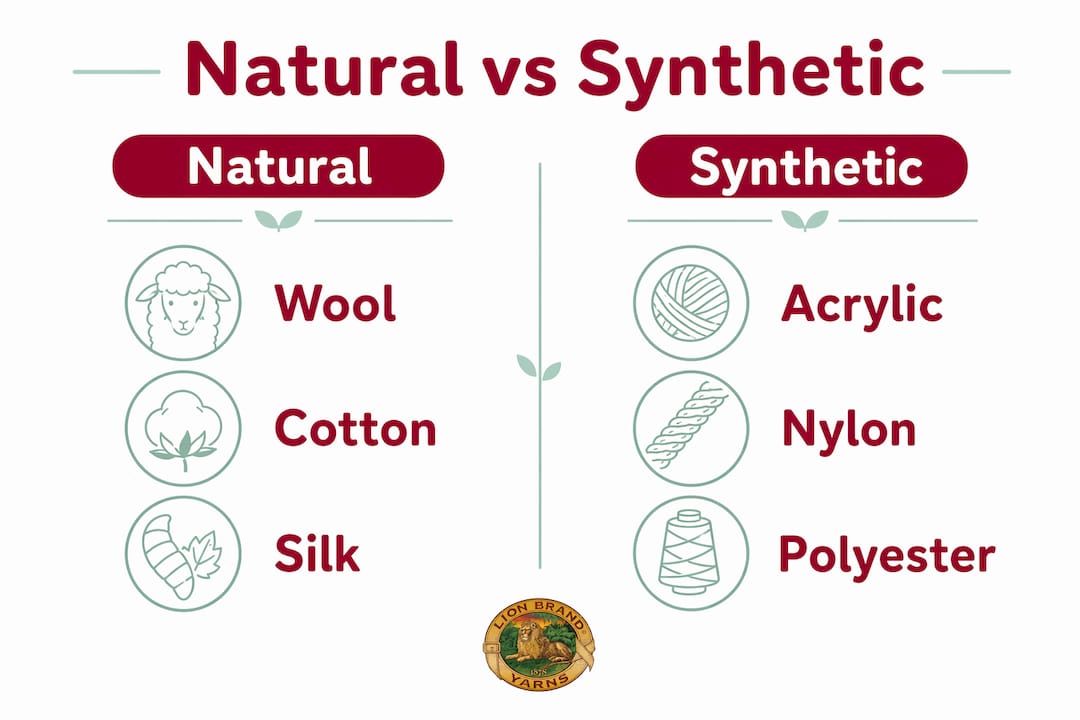
Natural fibers originate from living sources. Wool comes from sheep, cotton from the cotton plant, silk from silkworm cocoons, and alpaca from the alpaca fleece. Synthetic fibers are produced from petrochemical compounds. Acrylic, nylon, and polyester are the most common synthetic yarn types crafters encounter.
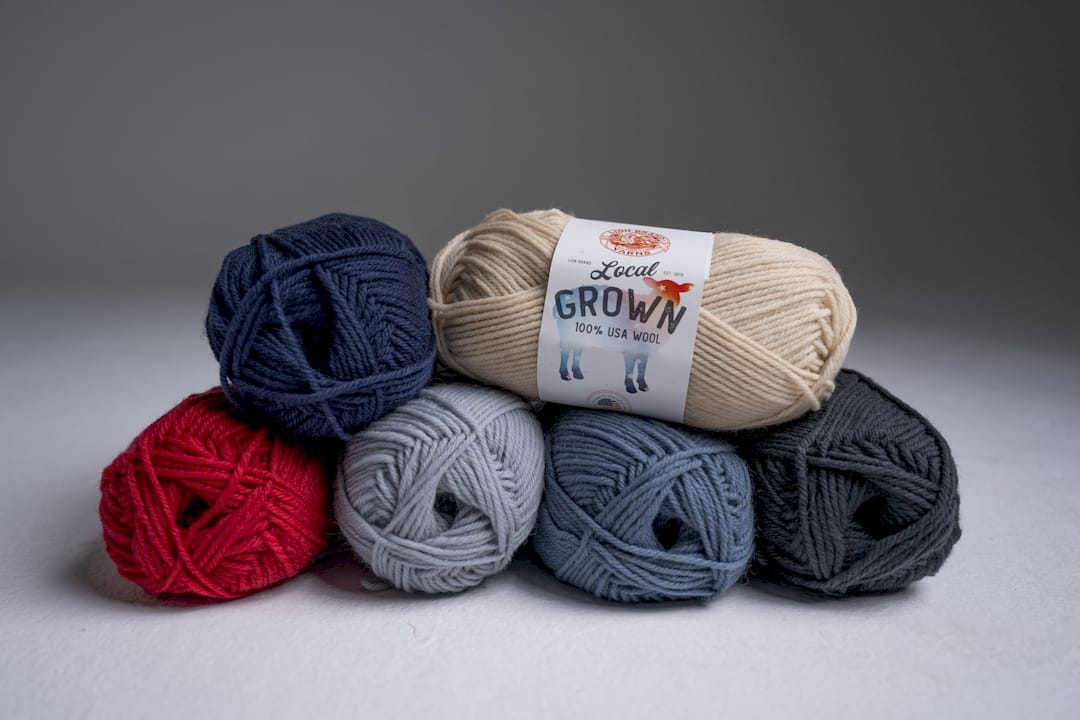
The performance gap between the two categories is measurable. Synthetic fibers exceed 100,000 rubs in Martindale abrasion testing under ASTM D4966 standards, compared to roughly 20,000 rubs for natural fibers. That means a synthetic yarn blanket will resist surface wear far longer than a wool one under the same conditions. Natural fibers compensate with properties synthetics cannot replicate, including breathability, thermal regulation, and a texture that softens with wear rather than degrading.
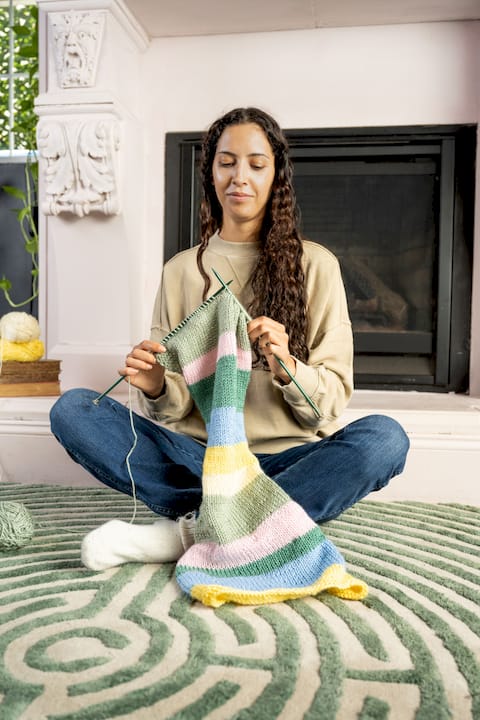
Yarn fiber characteristics also differ in how each category handles moisture. Wool absorbs up to 30% of its weight in moisture without feeling wet, which makes it an outstanding choice for cold-weather garments. Synthetics wick moisture away from the surface and dry faster, but they can feel clammy during extended wear. Neither category wins outright. The right choice depends entirely on what you are making and how it will be used.
How do physical properties affect your knitting and crocheting results?
Elasticity and tension control
Wool’s natural elasticity is one of its most valuable yarn fiber characteristics for knitters. Wool’s stretch and recovery allow ribbing and cables to spring back into shape, which masks minor tension inconsistencies. Cotton lacks this elasticity entirely. Every small variation in your tension shows up in the finished fabric, which makes cotton more demanding to work with, especially for textured stitches.
Acrylic sits between the two. It has some give, but it does not block or reshape the way wool does. This matters when you are working a fitted garment that needs to hold its shape after blocking.
Durability and dimensional stability
Synthetics show greater than 99% dimensional stability after washing, meaning shrinkage stays below 1%. Natural fibers, particularly untreated wool, can shrink more than 5% after wash cycles. That difference is significant when you are knitting a fitted sweater or a precisely sized baby blanket.
Pro Tip: Always check whether a wool yarn has received superwash treatment before choosing it for a garment. Superwash wool is modified to allow machine washing without felting, giving you natural warmth and elasticity with the care convenience of a synthetic.
| Property | Natural fibers | Synthetic fibers |
|---|---|---|
| Abrasion resistance | ~20,000 Martindale rubs | >100,000 Martindale rubs |
| Moisture absorption | Up to 30% (wool) | Low; wicks surface moisture |
| Dimensional stability | Can shrink >5% | <1% shrinkage |
| Elasticity | High (wool), low (cotton) | Moderate (acrylic) |
| Odor resistance | Strong (wool is antimicrobial) | Poor; retains odors |
Pilling behavior
Pilling is most common in blended yarns, not in pure fiber yarns. When strong synthetic fibers are blended with weaker natural fibers, the synthetic strands anchor pills to the fabric surface instead of letting them shed. A 100% acrylic or 100% wool yarn actually pills less than many blends. This is a detail most crafters never learn until they are frustrated with a finished project.
How do cost and environmental impact compare?
Price differences across fiber types
Natural animal fibers like alpaca and cashmere carry premium prices because harvesting and processing them is labor-intensive. Synthetic yarns are mass-manufactured at significantly lower cost, making them the practical choice for large projects like afghans, blankets, and practice swatches. Cotton falls in the middle, more affordable than luxury animal fibers but typically more expensive than acrylic.
The benefits of natural fibers often justify the higher price for garments worn close to the skin or intended to last decades. A well-maintained wool sweater can outlast multiple acrylic versions when cared for properly.
Sustainability considerations
The environmental impact of yarn is more complex than a simple natural-versus-synthetic divide. Here is how the two categories compare:
Natural fiber advantages:
Biodegradable at end of life
Renewable raw materials (wool regrows annually, cotton is replanted)
Certifications like GOTS (Global Organic Textile Standard) verify organic cotton production
Wool is naturally antimicrobial, reducing wash frequency and water use
Synthetic fiber concerns:
Produced from non-renewable petrochemicals
Release microplastic particles during washing, which enter waterways
Energy-intensive manufacturing process
Difficult to recycle at end of product life
Natural fiber concerns:
Conventional cotton farming uses significant water and pesticides
Wool production has a land and methane footprint
Dyeing processes for any fiber type carry environmental costs
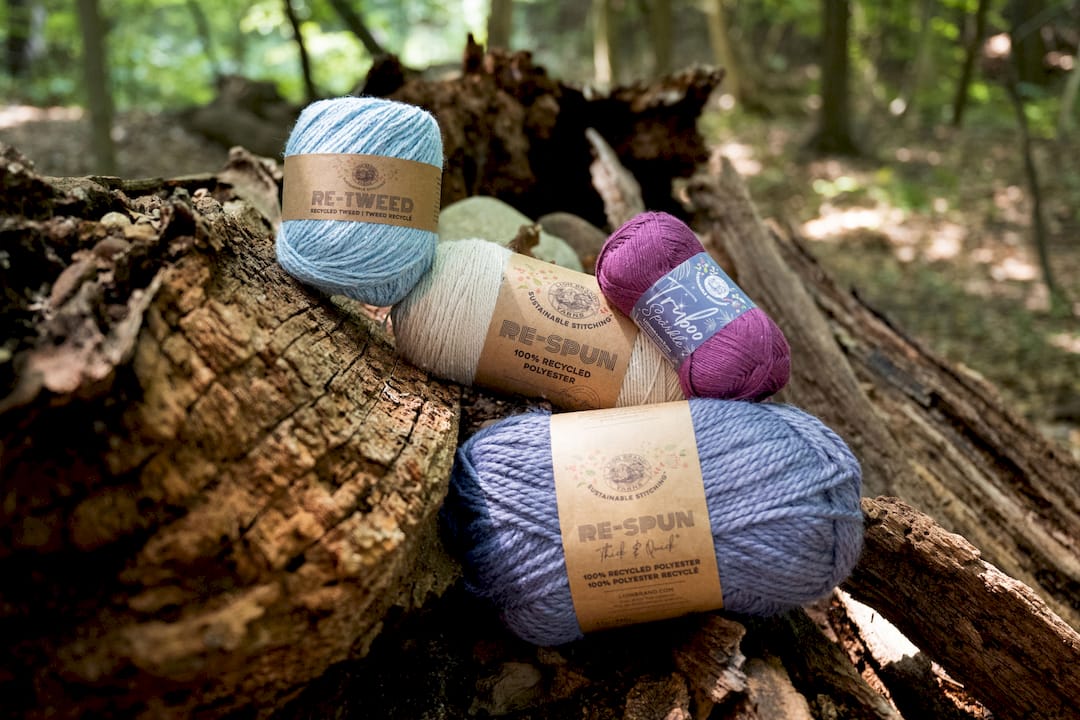
The honest answer is that no fiber category is universally “green.” An organic cotton yarn certified to GOTS standards is a genuinely lower-impact choice. A recycled synthetic yarn, like Re-Spun Bonus Bundle, diverts material from landfill and reduces virgin petrochemical use. Crafters who care about sustainability should read labels and look for certifications rather than assuming natural always means better.
Which fiber works best for specific projects?
Matching fiber to project type
Project type is the single most reliable guide to fiber selection. Wool excels in projects that require elasticity and warmth. Cotton shines in structured, breathable garments. Synthetics deliver durability and easy care for everyday items.
Wool’s elasticity is indispensable for textured knitting techniques like ribbing and cabling. The fiber’s natural bounce holds the stitch definition over time. Lion Brand’s Fishermen’s Wool Yarn is a strong choice for cables and traditional knit garments that need structure and warmth.
For summer tops, market bags, and structured garments, cotton’s drape and breathability are unmatched. Lion Brand 24/7 Cotton Yarn is a 100% cotton option that holds its shape and washes easily, making it reliable for garments worn repeatedly.
Best fiber choices by project
| Project type | Best fiber | Why it works |
|---|---|---|
| Cables and ribbing | Wool | Elasticity holds stitch definition |
| Summer tops and bags | Cotton | Breathable, structured drape |
| Baby blankets | Superwash wool or acrylic | Soft, machine washable |
| Amigurumi and toys | Acrylic | Holds shape, affordable, washable |
| Durable everyday accessories | Synthetic or blend | Abrasion resistance, easy care |
| Eco-conscious projects | Organic cotton or hemp blend | Lower environmental footprint |
For baby items, the Playful Squares Throw pattern pattern works beautifully with machine-washable fibers. Softness and washability are non-negotiable for anything touching a baby’s skin.
Pro Tip: Synthetic yarns like 100% acrylic are the best yarn for knitting and crocheting practice swatches. They are forgiving, affordable, and let you focus on mastering tension and stitch technique without worrying about expensive fiber.
Blends offer a middle path. Lion Brand Wool-Ease Yarn combines wool and acrylic, giving you wool’s warmth and elasticity alongside acrylic’s machine-washability and lower cost. Blends like this are why many experienced crafters keep both fiber categories in their stash.
What are the most common myths about yarn fiber types?
Several persistent misconceptions lead crafters to make fiber choices they later regret.
Myth: Natural fibers are always more sustainable. Conventional cotton is one of the most water-intensive crops in agriculture. Synthetic fibers made from recycled materials can have a lower carbon footprint than virgin natural fibers. Performance and sustainability both depend on design, not fiber origin alone.
Myth: Synthetic fibers are always uncomfortable. Modern acrylic yarns are engineered for softness. Lion Brand Feels Like Butta Yarn is a synthetic yarn that delivers a genuinely plush, velvety feel. The idea that synthetic automatically means scratchy is outdated.
Myth: Pilling means low quality. As noted above, pilling is most often a blend issue, not a sign of inferior fiber. A pure fiber yarn, whether natural or synthetic, pills less than most blends.
Myth: Natural fibers are always more durable. Abrasion testing consistently shows synthetics outlast natural fibers under friction. A wool sweater worn daily will show surface wear faster than an acrylic one.
Myth: Wool is too hard to care for. Superwash-treated wool eliminates the felting risk entirely. Many Lion Brand wool-blend yarns are fully machine washable, making natural fiber care far simpler than its reputation suggests.
Myth: Are synthetic fibers better overall? The answer is no, and neither are natural fibers. Each category excels in specific conditions. Matching fiber to project and care requirements is the only reliable framework.
Key Takeaways
The most effective approach to choosing between natural and synthetic yarn fibers is matching each fiber’s physical properties to your project’s specific demands, care requirements, and budget.
| Point | Details |
|---|---|
| Durability favors synthetics | Synthetic fibers exceed 100,000 Martindale rubs versus roughly 20,000 for natural fibers. |
| Wool leads in moisture and elasticity | Wool absorbs up to 30% of its weight in moisture and provides the elasticity cables and ribbing require. |
| Pilling comes from blends | Pure fiber yarns pill less than blended yarns, regardless of fiber category. |
| Sustainability is not black and white | Certified organic cotton and recycled synthetics both reduce environmental impact compared to conventional options. |
| Superwash wool bridges the care gap | Superwash treatment makes wool machine washable without sacrificing warmth or elasticity. |
Lion Brand’s perspective on fiber choice
After more than 145 years of working with crafters, Lion Brand has seen one pattern repeat itself: knitters and crocheters who struggle with a project almost always chose their fiber based on color or price alone. The crafters who get consistent results read the label first.
Fiber choice is not about which category is better. It is about which properties serve the specific project. A chunky acrylic blanket made with Vanna’s Choice Yarn will outlast a wool version in a household with frequent washing. A wool cable-knit sweater will hold its texture and shape in ways no acrylic can fully replicate.
The most underused tool in fiber selection is the swatch. Knitting or crocheting a small test square before committing to a full project reveals how a fiber behaves under your specific tension, with your specific needles or hooks. Labels provide the starting point. Fiber properties on labels tell you elasticity potential, blocking behavior, and washability. Swatching confirms how those properties translate in your hands.
Lion Brand’s recommendation is simple: match the fiber to the job, not the other way around.
Lion Brand yarns for every fiber preference
Lion Brand carries natural, synthetic, and blended yarns across every weight and project type, so you can put this fiber knowledge to work immediately.
For natural fiber projects, Cottino delivers premium plant and animal fiber quality for garments and accessories where feel and breathability matter most. For durable, budget-friendly projects, Pound of Love is a synthetic option built for high-yardage work like blankets and everyday accessories. Crafters looking for an eco-conscious blend will find Cotton Hemp Yarn combines natural fiber structure with the durability of hemp for a genuinely sustainable project choice. Browse Lion Brand’s full knit and crochet kits to find projects paired with the right fiber from the start.
FAQ
What is the main difference between natural and synthetic yarn fibers?
Natural fibers come from plants and animals, such as wool, cotton, and alpaca. Synthetic fibers are man-made from petrochemical compounds, including acrylic, nylon, and polyester.
Are synthetic yarn fibers better than natural ones for beginners?
Synthetic yarns like 100% acrylic are recommended for beginners because they are affordable, forgiving, and let crafters focus on mastering tension without worrying about shrinkage or delicate care requirements.
Do natural fibers pill more than synthetic fibers?
Pilling is most common in blended yarns, not in pure fiber yarns. When synthetic and natural fibers are blended, the synthetic strands anchor pills to the surface, making blends more prone to pilling than either pure fiber type.
Is wool hard to care for compared to acrylic?
Untreated wool requires hand washing to prevent felting, but superwash-treated wool is fully machine washable. Many Lion Brand wool-blend yarns carry machine-wash ratings, making natural fiber care much simpler than its reputation suggests.
Which yarn fiber is best for baby blankets?
Superwash wool or 100% acrylic are the best choices for baby blankets because both are soft, machine washable, and hold their shape through repeated laundering.