Ecofriendly Yarn: A Guide for Knitters and Crocheters
- Ecofriendly yarn is made through processes that lower environmental impact and are verified by certifications such as GOTS, GRS, and RWS. These labels confirm sustainable practices from farm to finished product, promoting water conservation, lower emissions, and animal welfare. Choosing durable, certified fibers and responsibly caring for finished items enhances sustainability throughout their lifecycle.
Ecofriendly yarn is defined as fiber sourced, processed, and finished in ways that measurably reduce environmental impact across its full lifecycle. For knitters and crocheters, choosing sustainable yarn options means looking beyond color and texture to certifications like the Global Organic Textile Standard (GOTS), the Global Recycled Standard (GRS), and the Responsible Wool Standard (RWS). These frameworks verify that a yarn’s environmental claims hold up from farm to finished skein. The right choice reduces water use, lowers carbon emissions, and keeps your craft aligned with a greener planet.
What standards and certifications verify ecofriendly yarn?
Certifications are the most reliable way to confirm a yarn’s sustainability claims. Without them, “natural” and “eco” labels are marketing language, not guarantees.
The four certifications that matter most for knitters and crocheters are:
GOTS (Global Organic Textile Standard): Covers the entire supply chain, from raw fiber to finished product. A “made with organic” GOTS label requires at least 70% certified organic fiber content. GOTS is the preferred standard when environmental impact across the full production chain is the priority.
GRS (Global Recycled Standard): Applies to recycled content yarns. GRS requires a minimum of 20% recycled content, though meaningful environmental benefit typically starts at 30–50% recycled content blends.
RWS (Responsible Wool Standard): Addresses animal welfare and land management for wool producers. RWS certification confirms that sheep are treated humanely and that land is not overgrazed.
OEKO-TEX Standard 100: Verifies that a finished textile is free of harmful substances, making it excellent for skin safety. OEKO-TEX does not, however, guarantee environmental sustainability in production. GOTS covers both.
Brand transparency is equally important. Third-party test reports and publicly available Life Cycle Assessment data signal a trustworthy brand. A lack of documented supply chain information is a red flag for greenwashing.
Pro Tip: When shopping for sustainable yarn, search the brand’s website for its certification numbers. Legitimate certifications are publicly verifiable through the issuing body’s online database.
Which fibers count as environmentally friendly, and how do they compare?
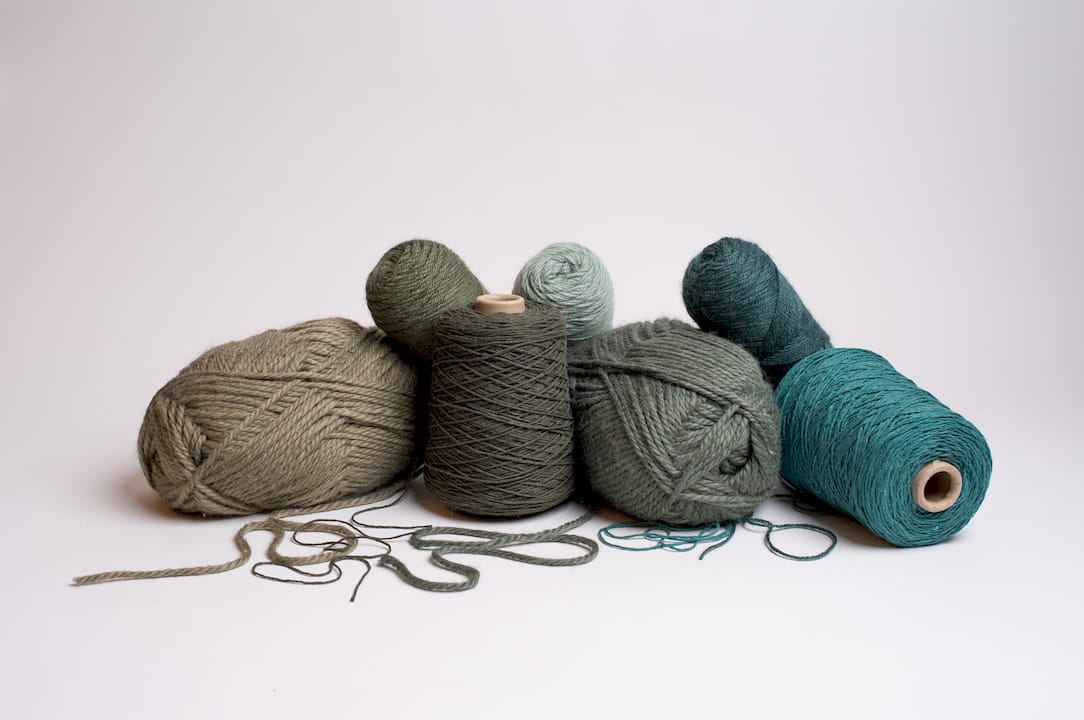
No single fiber is perfect. Every sustainable option involves trade-offs between water use, carbon emissions, biodegradability, and durability.
Recycled cotton
Recycled cotton reduces water use by up to 98% and cuts CO2 emissions by 46% compared to conventional cotton. That makes it one of the most resource-efficient choices available. The trade-off is that recycled cotton fibers are shorter and can be slightly weaker than virgin cotton, so blends often perform better for high-wear projects like market bags or dishcloths.
Organic cotton
Organic cotton avoids synthetic pesticides and fertilizers, which protects soil health and reduces runoff into waterways. It still requires significant water. Conventional cotton averages 2,700 liters of water per kilogram, and organic cotton’s water footprint is comparable unless it is rainfed. For knitters making baby items or garments worn close to the skin, organic cotton is a strong choice.
Hemp and linen
Rain-fed hemp requires approximately 500 liters of water per kilogram, making it one of the most water-efficient natural fibers available. Hemp also improves soil health and requires minimal pesticide use. Linen, made from flax, shares similar low-input growing characteristics. Both fibers are durable, breathable, and fully biodegradable under the right conditions.
Wool (RWS certified)
RWS-certified wool biodegrades naturally and provides exceptional warmth per gram of fiber. Wool does produce methane during sheep digestion, which contributes to its carbon footprint. That impact is offset by wool’s durability. A well-made wool sweater or blanket lasts decades, which reduces the environmental cost of replacement cycles over time.
Fiber comparison at a glance
| Fiber | Water use | Carbon footprint | Biodegradable | Durability |
|---|---|---|---|---|
| Recycled cotton | Very low | Low | Yes | Moderate |
| Organic cotton | Moderate to high | Moderate | Yes | Good |
| Hemp / linen | Very low | Low | Yes | High |
| RWS wool | Low to moderate | Moderate | Yes | Very high |
| Recycled synthetics | Low | Low to moderate | No | High |

Recycled synthetic fibers, such as those made from post-consumer plastic bottles, have a lower production footprint than virgin synthetics. They do shed microplastics during washing, which is a real environmental concern. Using a microplastic-catching laundry bag reduces this impact significantly.
Pro Tip: For reusable project bags or market totes, Lion Brand’s 24/7 Cotton Yarn is a 100% cotton option that holds its shape wash after wash, making it a practical choice for eco-conscious everyday items.
Common misconceptions about sustainable yarn and lifecycle impact
The biggest misconception in sustainable crafting is that “natural” automatically means “better for the planet.” Fiber type is only one part of the equation.
Biodegradability is not guaranteed in landfills. True biodegradability requires specific microbial conditions, moisture, and oxygen. Most landfills are compacted and anaerobic, meaning even natural fibers break down very slowly or not at all. Composting finished projects or donating them extends their useful life far more effectively than assuming they will decompose.
Processing steps carry their own footprint. Scouring, dyeing, and spinning contribute significantly to a yarn’s total environmental impact. A fiber grown organically but dyed with resource-intensive processes may have a larger overall footprint than a conventionally grown fiber processed cleanly. This is exactly why GOTS covers the full supply chain rather than just the raw material.
Durability is a sustainability factor, not a luxury. Long-lasting yarns are more sustainable despite any higher upfront environmental cost, because reduced replacement cycles offset that investment over time. A sweater knitted from a durable wool blend that lasts 15 years outperforms three cheaper sweaters that wear out in five years each.
Care practices affect real-world impact. Washing in cold water, air drying, and storing projects properly all extend a finished item’s life. The full lifecycle impact of a yarn includes how you care for the finished object, not just how the fiber was grown or processed.
End-of-life planning matters. Donating finished items, repurposing yarn scraps, and unraveling projects that did not work out all reduce waste. Scraps of natural fiber yarn can go into compost if they are free of synthetic blends.
How to choose the best sustainable yarn for your project
Matching the right fiber to the right project is the most practical step toward eco-conscious crafting. No established hierarchy of sustainable materials exists, so the best approach combines certifications, fiber properties, and project needs.
For garments and sweaters: Prioritize durability. RWS-certified wool or a recycled wool blend holds its shape through years of wear. Lion Brand’s Wool-Ease Recycled Yarn combines recycled content with the warmth and resilience wool is known for, making it a strong pick for cardigans, pullovers, and hats.
For baby items: Choose fibers certified for skin safety. GOTS-certified organic cotton or OEKO-TEX-verified yarns reduce exposure to residual processing inputs. Softness and machine washability matter as much as sustainability for items washed frequently.
For reusable bags and home items: Cotton and hemp excel here. An open-mesh market bag knitted from a durable cotton yarn replaces hundreds of single-use plastic bags over its lifetime. That is a concrete, measurable environmental win.
For blankets and home decor: Recycled synthetic blends offer durability and easy care. Lion Brand’s Re-Make Recycled Yarn, made from post-consumer plastic bottles, is built for projects that need to hold up through heavy use and frequent washing.
Check brand transparency: Look for brands that publish their certification numbers, sourcing regions, and processing information. Transparency and certifications like GOTS and RWS are the clearest signals of genuine commitment to sustainability.
Factor in local sourcing: Yarn produced and sold closer to home carries lower transportation emissions. When two options are otherwise comparable, local origin is a meaningful tiebreaker.
Pro Tip: Lion Brand’s Re-Tweed Recycled Yarn blends recycled fibers with a classic tweed texture, giving knitters a sustainable option that does not sacrifice visual interest or tactile appeal.
Key takeaways
Ecofriendly yarn requires verified certifications, durable fiber choices, and responsible care practices to deliver genuine environmental benefit across its full lifecycle.
| Point | Details |
|---|---|
| Certifications verify claims | Look for GOTS, GRS, RWS, or OEKO-TEX labels to confirm sustainability beyond marketing language. |
| No fiber is perfect | Every sustainable fiber involves trade-offs; match fiber properties to project needs rather than chasing a single “best” option. |
| Durability equals sustainability | Yarn that lasts longer reduces replacement cycles and delivers greater environmental value over time. |
| Processing matters as much as fiber | Dyeing and finishing steps affect total footprint; GOTS covers the full supply chain, not just raw material. |
| Care extends impact | Washing in cold water, air drying, and donating finished items all reduce a project’s lifetime environmental cost. |
Lion Brand’s perspective on sustainable crafting
Greenwashing is the biggest problem in sustainable yarn right now. Vague claims like “natural,” “eco-conscious,” or “planet-friendly” appear on labels without any certification to back them up. After more than 145 years of working with fiber, Lion Brand knows that real sustainability requires documented standards, not marketing copy.
The crafting community often focuses on fiber type alone. That misses the larger picture. A yarn’s dyeing process, its country of origin, and how long the finished project actually lasts all shape its true environmental footprint. A beautifully soft organic cotton yarn dyed with resource-intensive processes in a facility with no environmental management is not a genuinely green choice.
Durability deserves far more attention than it gets. The most sustainable skein is the one that produces a finished object you use for decades. Lion Brand builds products like Wool-Ease to last precisely because longevity is a form of environmental responsibility. Buying less and making things that endure is the most direct path to a lower-impact craft practice.
Support brands that show their work. Published certifications, traceable sourcing, and honest communication about trade-offs are the markers of a company that takes sustainability seriously. Anything less deserves skepticism.
Sustainable yarn options from Lion Brand
Lion Brand offers recycled yarn lines built for knitters and crocheters who want their projects to reflect genuine environmental values.
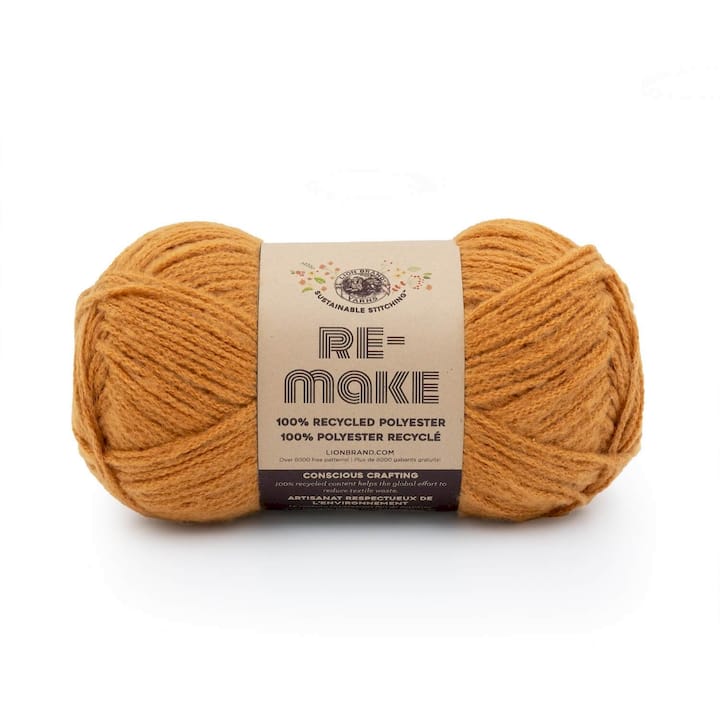
Re-Make Recycled Yarn is spun from post-consumer plastic bottles, giving waste material a second life in your next blanket or home decor project. Wool-Ease Recycled Yarn brings recycled content to one of Lion Brand’s most trusted fiber families, combining warmth and durability with a reduced environmental footprint. Re-Tweed Recycled Yarn adds classic texture to the recycled fiber category, making it a natural fit for garments and accessories. Browse Lion Brand’s full range of knit and crochet kits to find projects designed around these sustainable yarns, with everything you need included in one package.
FAQ
What is ecofriendly yarn?
Ecofriendly yarn is fiber sourced and processed in ways that reduce environmental impact, including lower water use, reduced carbon emissions, and responsible land or animal management. Certifications like GOTS, GRS, and RWS verify these claims independently.
Is recycled yarn actually better for the environment?
Recycled cotton reduces water use by up to 98% and CO2 emissions by 46% compared to conventional cotton, making recycled fibers a strong environmental choice. Recycled synthetic yarns also have a lower production footprint than virgin synthetics, though they can shed microplastics during washing.
What does GOTS certification mean for yarn?
GOTS (Global Organic Textile Standard) covers the entire production chain and requires at least 70% certified organic fiber content for a “made with organic” label. It is the most thorough certification for knitters seeking yarn with verified environmental and social standards from farm to finished product.
Does natural fiber yarn biodegrade in a landfill?
True biodegradability requires specific microbial conditions that most landfills do not provide. Natural fiber yarn breaks down far more slowly in compacted landfill environments than in active compost, so donating or repurposing finished items is a more reliable end-of-life strategy.
How does yarn durability affect sustainability?
Long-lasting yarns are more sustainable over time because they reduce the need for replacement. A durable sweater or blanket that holds up for 15 or more years has a lower lifetime environmental cost than multiple lower-quality items that wear out quickly.