Merino Wool vs Regular Wool: A Crafter’s Guide
Merino wool is defined as a fine-fiber wool sourced from Merino sheep, with individual fibers measuring between 15 and 24 microns in diameter. That measurement is the single most important fact in the merino wool vs regular wool debate for knitters and crocheters. Regular wool, drawn from other sheep breeds, typically measures 25 to over 45 microns. That difference in fiber diameter determines softness, wearability, moisture management, and which projects each wool type actually serves well. Knowing these distinctions before you buy yarn saves you from finishing a beautiful sweater that no one wants to wear.
What are the physical differences between merino and regular wool fibers?
Fiber diameter, measured in microns, is the defining physical difference between merino and regular wool. Merino fibers measure 15–24 microns, while regular wool fibers from breeds like Romney, Corriedale, or Cheviot typically run 25–45+ microns. That gap is not subtle. It is the difference between a fiber that bends against your skin and one that pokes it.
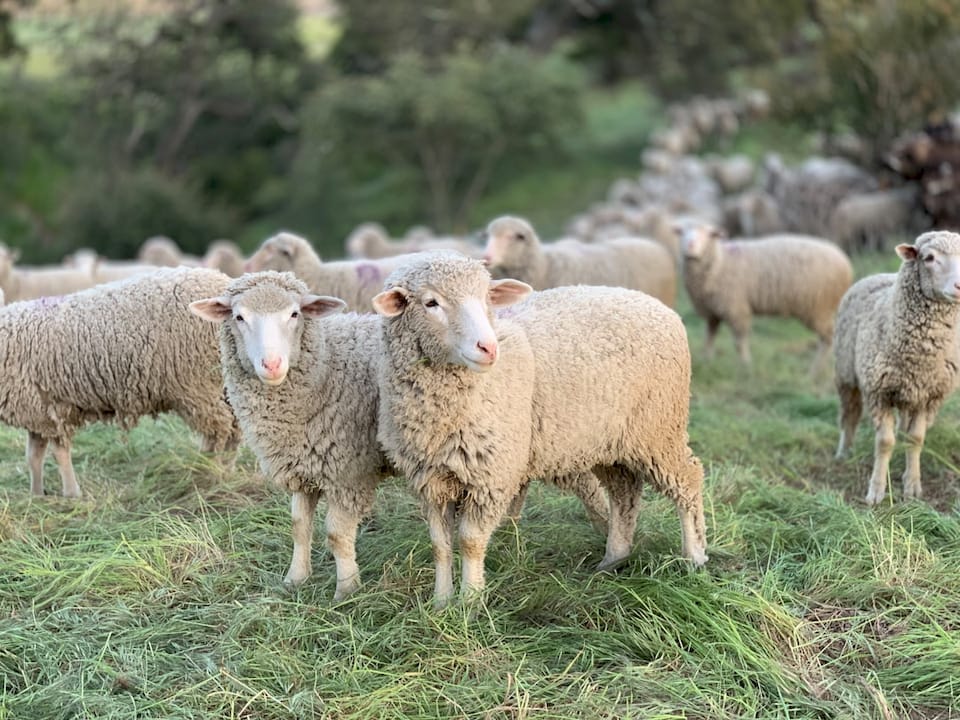
The human itch threshold sits at approximately 25–30 microns. Fibers finer than this threshold flex on contact with skin rather than standing rigid, which is why merino feels soft against your neck while a coarser wool sweater can feel scratchy after an hour. Most merino grades fall comfortably below this threshold, making them the go-to choice for garments worn directly against the body.
Staple length is the second key structural difference. Merino fibers tend to have longer, more uniform staple lengths, which allows spinners to produce smoother, more tightly twisted yarn with less surface fuzz. That translates directly into cleaner stitch definition in your finished knit or crochet fabric. Regular wool, with its shorter or more variable staple, often produces a loftier, more rustic yarn that excels in warmth but shows less crisp stitch detail.
Pro Tip: When shopping for merino yarn, look for a micron count on the label or product page. A rating under 22 microns guarantees next-to-skin comfort for most wearers, including those with sensitive skin.
| Attribute | Merino wool | Regular wool |
|---|---|---|
| Fiber diameter | 15–24 microns | 25–45+ microns |
| Itch threshold | Below skin itch point | Often above itch threshold |
| Staple length | Long, uniform | Variable, often shorter |
| Yarn surface | Smooth, low halo | Loftier, more textured |
| Stitch definition | High | Moderate to low |
How do merino and regular wool perform in knitting and crocheting?
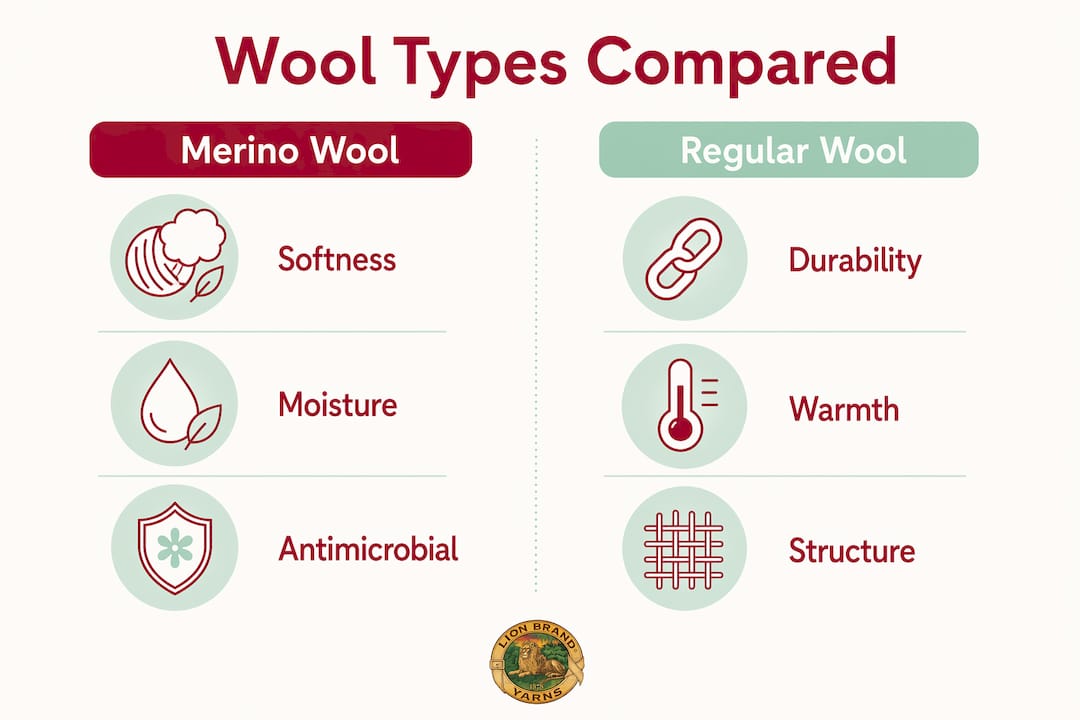
Performance is where the two fiber types diverge most sharply for practical crafting purposes. Merino wool absorbs up to 30% of its weight in moisture without feeling wet against the skin. That property makes merino garments comfortable during active wear and in variable temperatures, because the fiber actively pulls moisture away from the body before releasing it into the air.
Merino also carries natural antimicrobial properties that resist odor buildup. A merino hat or base layer can be worn multiple times between washes without developing the musty smell that synthetic fibers or coarser wools often produce. For travel knits or everyday accessories, that quality is genuinely useful, not just a marketing claim.
Durability is where regular wool holds a real advantage. Coarser wools offer higher abrasion resistance, which matters for projects that take physical punishment: boot socks, bag handles, outerwear, and work accessories. Merino fibers are fine, but merino can withstand up to 20,000 bends without breaking, which is a remarkable figure for such a fine fiber. Still, in high-friction applications, a coarser wool or a wool-nylon blend will outlast pure merino.
Merino wool: strengths and trade-offs
Softness: Suitable for next-to-skin wear, baby garments, and sensitive skin
Moisture management: Wicks and releases moisture without feeling damp
Odor resistance: Natural antimicrobial properties reduce washing frequency
Elasticity: Excellent shape retention in fitted and layered garments
Cost: Commands a premium price over standard wool yarns
Abrasion resistance: Lower than coarser wools in high-friction applications
Regular wool: strengths and trade-offs
Warmth by weight: Dense fiber structure traps heat efficiently
Abrasion resistance: Preferred for outerwear and hard-wearing accessories
Price: More accessible cost per skein for large projects
Loft and texture: Rustic character suits heritage and traditional designs
Softness: Can feel scratchy against sensitive skin without blending
Care: Requires more careful washing to prevent felting
Pro Tip: If you want the warmth of regular wool with improved softness, look for wool-blend yarns that combine a coarser base fiber with a small percentage of merino or fine alpaca. Lion Brand’s Wool-Ease Yarn blends wool and acrylic for a balance of warmth, durability, and easy care.
Which wool type suits which crafting projects?
Yarn choice should be purpose-driven: merino for comfort-first projects, coarser regular wool for structure and durability. That principle cuts through most of the confusion crafters face at the yarn shop. The question is not which wool is better in the abstract. The question is which wool serves your specific project and wearer.
Merino excels in garments that touch skin directly. Baby knits, lightweight cardigans, fitted hats, cowls, and travel accessories all benefit from merino’s softness and moisture-wicking properties. A merino baby blanket or newborn hat will not irritate delicate skin, which makes it the responsible choice for infant projects. Lightweight merino layers also pack well and resist odor on trips, making them practical gifts for active wearers.
Regular wool earns its place in projects that prioritize warmth, structure, and durability over next-to-skin softness. Heavy sweaters, outerwear, blankets, felted bags, and thick boot socks all perform better in a coarser, more abrasion-resistant fiber. Lion Brand’s Fishermen’s Wool Yarn is a classic example of a workhorse regular wool built for exactly these applications. Its dense, lofty structure delivers serious warmth and holds up to years of use.
| Project type | Best wool choice | Reason |
|---|---|---|
| Baby garments and blankets | Merino | Soft, non-irritating, moisture-wicking |
| Fitted cardigans and sweaters | Merino | Shape retention, next-to-skin comfort |
| Heavy outerwear and coats | Regular wool | Warmth, abrasion resistance, structure |
| Boot socks and work accessories | Regular wool or wool-nylon blend | Durability under friction |
| Travel accessories and hats | Merino | Odor resistance, lightweight, packable |
| Felted bags and home decor | Regular wool | Felts reliably, holds structure |
| Beginner scarves | Either, based on budget | Both work; merino adds softness |
Stitch definition also shifts between the two fiber types. Merino’s smooth, fine surface shows cable patterns, lace, and colorwork with excellent clarity. Regular wool’s loftier texture softens stitch edges, which suits textured patterns and rustic aesthetics but can blur intricate lace. If you are knitting a detailed cable panel, merino will show your work to its best advantage. If you are crocheting a chunky throw, regular wool’s warmth and texture are assets, not liabilities.
For beginner crafters choosing their first wool project, a Beginner’s Tweedy Scarf pattern is a low-stakes way to test how each fiber type feels in your hands before committing to a larger project.
How to select and care for merino and regular wool yarns
Selecting the right wool yarn starts with reading the label carefully. For merino, the micron count is the most reliable softness indicator. A count under 22 microns places the yarn in the ultra-fine category, suitable for the most sensitive skin. Micron count alone does not guarantee softness, however. Yarn construction and fiber treatment also affect the final hand feel, so always touch a skein before buying when possible, or order from a brand with a clear return policy.
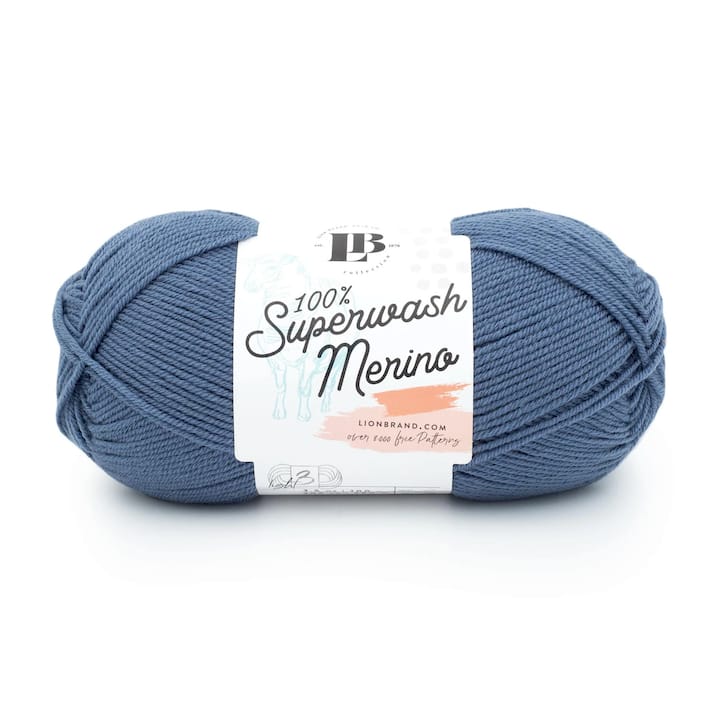
Superwash treatment is the other key label term to understand. Superwash merino is machine washable because the treatment smooths the fiber’s natural scales, preventing them from locking together and felting in the wash. It also produces a slightly silkier, denser feel compared to untreated merino. Lion Brand’s LB Collection Superwash Merino Yarn delivers exactly this combination: premium softness with the practical benefit of machine washing. That matters enormously for baby items and everyday garments that need frequent laundering.
Care guide for merino wool
Do machine wash superwash merino on a gentle, cold cycle
Do lay flat to dry to preserve garment shape
Do store in a breathable bag away from direct sunlight
Don’t wring or twist wet merino; press moisture out gently
Don’t use high heat in the dryer, even for superwash-treated yarn
Care guide for regular wool
Do hand wash in cool water with a gentle wool wash
Do support the garment fully when lifting it wet to prevent stretching
Do block finished pieces to set the shape before wearing
Don’t agitate vigorously in water; this causes felting
Don’t hang wet wool items; the weight will distort the shape
Lion Brand’s Local Grown Yarn offers a natural wool option for crafters who want the authentic character of traditional wool with thoughtful fiber sourcing. For projects like a Houndstooth Scarf, a sturdy wool yarn delivers the structure and warmth the pattern calls for.
Key Takeaways
Merino wool outperforms regular wool in softness and moisture management, while regular wool leads in abrasion resistance and warmth for heavy-duty projects.
| Point | Details |
|---|---|
| Fiber diameter drives softness | Merino’s 15–24 micron range keeps it below the human itch threshold of 25–30 microns. |
| Moisture management favors merino | Merino absorbs up to 30% of its weight in moisture without feeling wet against the skin. |
| Regular wool wins on durability | Coarser wools resist abrasion better, making them the right choice for outerwear and hard-wearing accessories. |
| Project type should guide fiber choice | Use merino for next-to-skin garments; use regular wool for structure, warmth, and felted projects. |
| Superwash treatment changes care rules | Superwash merino is machine washable and takes dye more vividly than untreated wool. |
A note on fiber choice from Lion Brand
The most common mistake crafters make is treating merino as universally superior to regular wool. It is not. Merino is superior for specific applications, and regular wool is superior for others. Lion Brand has worked with both fiber types for well over a century, and the pattern is consistent: crafters who choose their wool based on the project’s demands produce better finished pieces than those who default to the most expensive or most talked-about fiber.
There is also a cost reality worth naming directly. Merino commands a premium, and for large projects like blankets or heavy sweaters, that cost adds up fast. A coarser wool yarn at a lower price point will often produce a warmer, more durable blanket than merino would, and the wearer will never notice the micron difference under a layer of fleece. Save the merino budget for the projects where its properties genuinely change the wearing experience: the fitted cardigan, the baby hat, the cowl that lives against your neck all winter.
The most satisfying yarn choices come from asking one question before you buy: who is wearing this, and what will they put it through? That question cuts through fiber snobbery and gets you to the right skein faster than any other method.
Lion Brand wool yarns for your next project
Lion Brand carries wool and wool-blend yarns built for the full range of crafting applications, from delicate merino knits to durable workhorse wools.
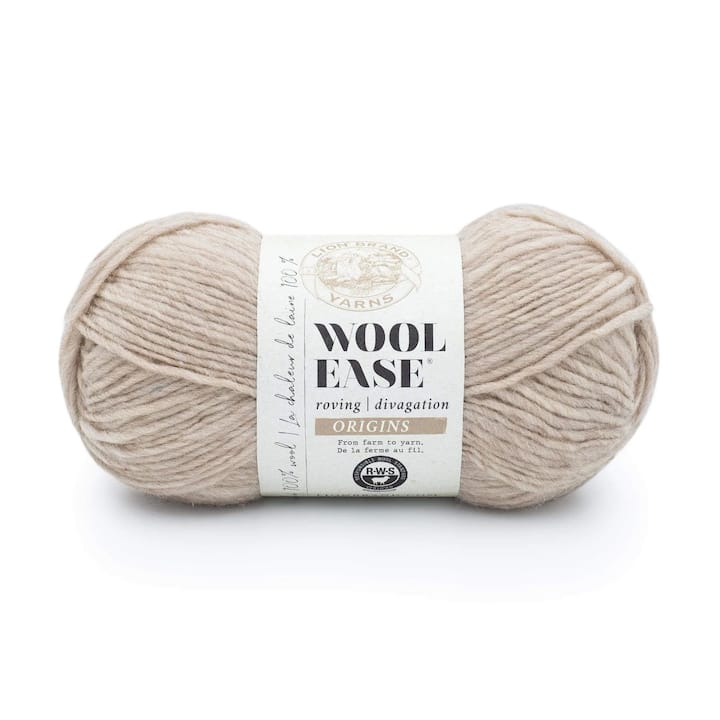
For next-to-skin softness and easy care, LB Collection Superwash Merino delivers machine-washable luxury in a premium merino fiber. For projects that demand warmth and durability, Fishermen’s Wool Yarn is a time-tested choice that holds up to years of hard wear. Crafters looking for a versatile middle ground will find that Wool-Ease Yarn blends wool and acrylic for softness, warmth, and easy machine care in one skein. Browse Lion Brand’s full knit and crochet kits to find curated project bundles that pair the right yarn with the right pattern from the start.
FAQ
What is the main difference between merino and regular wool?
Merino wool fibers measure 15–24 microns in diameter, while regular wool fibers typically measure 25–45+ microns. That finer diameter makes merino significantly softer and less likely to cause skin irritation.
Is merino wool worth the higher price for knitting projects?
Merino is worth the premium for next-to-skin garments, baby items, and fitted apparel where softness and moisture management directly affect comfort. For blankets, outerwear, or felted projects, a coarser regular wool delivers better value and performance.
Can regular wool be as soft as merino?
Regular wool from fine-breed sheep can approach merino softness, but most commercial regular wool sits above the 25-micron itch threshold. Blending regular wool with finer fibers improves hand feel without reaching true merino softness.
Does superwash merino behave differently than untreated merino?
Superwash merino is machine washable and feels slightly silkier and denser than untreated merino because the fiber scale treatment changes how fibers interact. It also absorbs dye more vividly, producing brighter, more saturated colors in finished yarn.
Which wool type is better for beginner knitters and crocheters?
Both work well for beginners, but superwash merino is more forgiving because it tolerates machine washing and resists felting. A wool-blend yarn like Lion Brand Wool-Ease also gives beginners warmth and softness with minimal care requirements.

