Knit vs Crochet Differences: A Beginner’s Guide
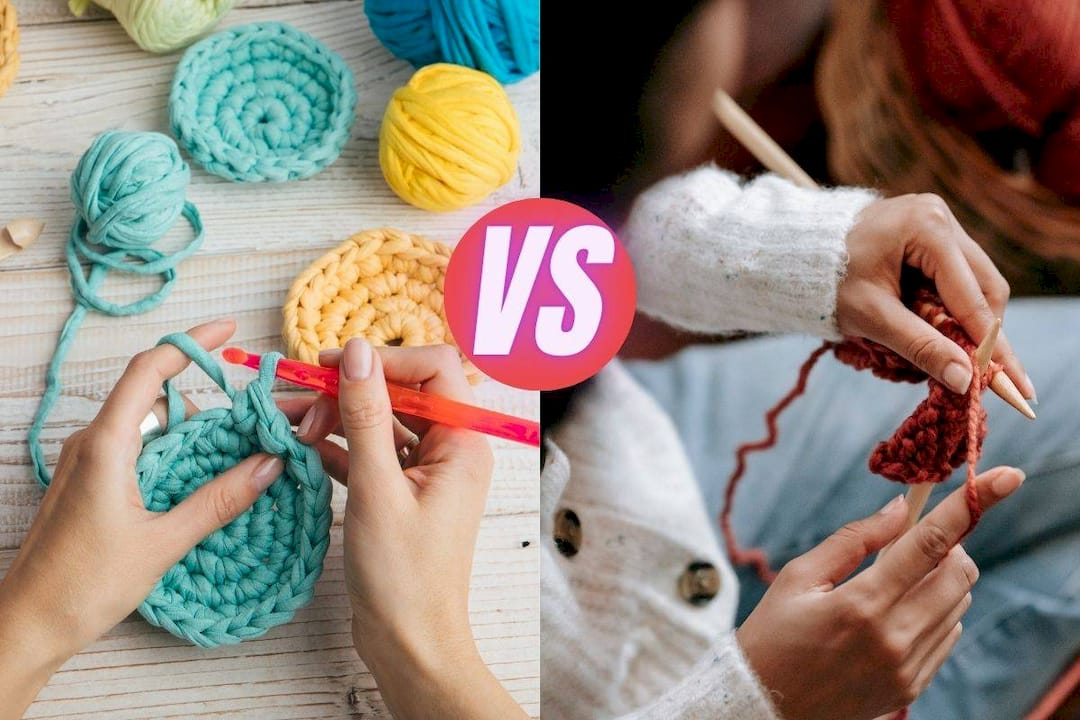
Knitting and crochet are defined by one core difference: the tools and how stitches are managed. Knitting uses two needles and keeps multiple live stitches active at once, while crochet uses a single hook and works with only one active stitch at a time. This single distinction drives every other knit vs crochet difference you will encounter, from how the fabric feels to how easy it is to fix a mistake. Whether you are picking up yarn for the first time or deciding which craft to pursue next, understanding this foundation makes the choice much clearer.
What are the key knit vs crochet differences?
The most fundamental difference between knitting and crochet is stitch management. In knitting, an entire row of stitches sits live on the needle at all times. Drop one, and it can unravel down through multiple rows. In crochet, each stitch is completed and locked before the next one begins, so the fabric is structurally more stable as you work.
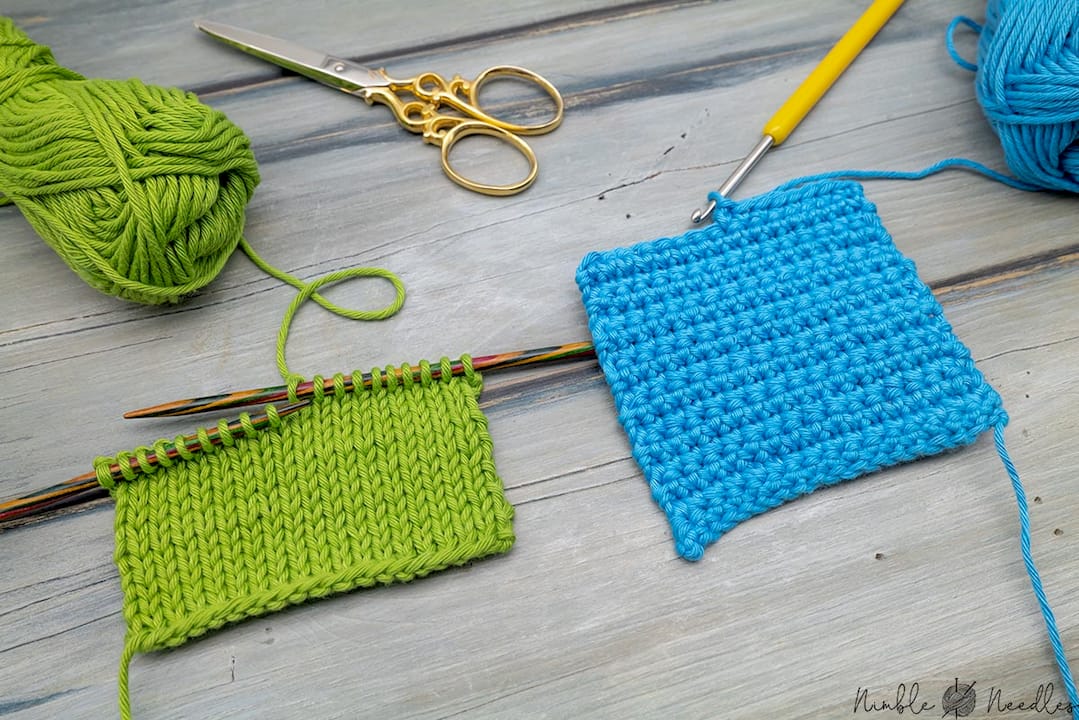
The second major difference is fabric character. Knitted fabric is thinner, smoother, and drapier, which makes it the preferred choice for garments like sweaters and socks. Crocheted fabric is thicker, bumpier, and holds its shape well, making it ideal for structured items like baskets, bags, and amigurumi toys. These are not minor stylistic variations. They are functional differences that should guide your project choices.
Speed is also worth noting. Crochet tends to be faster for projects with complex color changes or frequent adjustments, because crochet stitches are taller and rows build quickly. Knitting can be faster for fine, smooth fabric once you develop muscle memory, but the learning curve is steeper.
Tools and techniques: how knitting and crochet differ in execution
Knitting tools and stitch mechanics
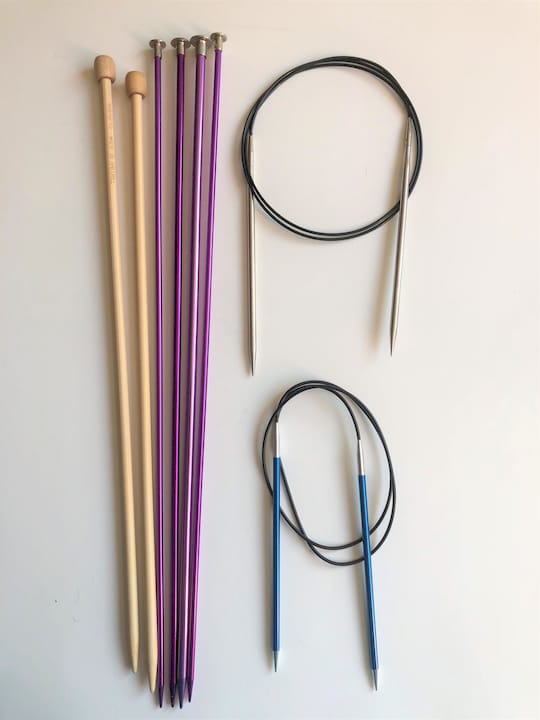
Knitting requires two needles, either straight or circular, and the craft involves transferring stitches from one needle to the other. Every stitch in a row stays live until it is worked off. Straight needles work well for flat pieces like scarves, while circular needles handle projects worked in the round, such as hats and seamless sweaters.
The two foundational knitting stitches are the knit stitch and the purl stitch. Combining these two creates every knitting pattern you will ever encounter, from garter stitch to ribbing to stockinette. Managing tension across all those live stitches takes practice, and that coordination is what makes knitting feel harder at first.
Crochet tools and stitch mechanics
Crochet uses a single hook. You pull yarn through loops one at a time, completing each stitch fully before moving on. The hook size determines stitch size, and the process is more intuitive for most beginners because only one loop is ever active on the hook.
Common crochet stitches include the single crochet, half double crochet, and double crochet. Each stitch is taller than the last, which affects how quickly a project grows. Double crochet stitches, for example, build fabric roughly twice as fast as single crochet.
Knitting tools: two straight or circular needles, stitch markers, stitch holders, row counters
Crochet tools: one hook, stitch markers, yarn needle for finishing
Knitting stitch types: knit, purl, yarn over, slip stitch
Crochet stitch types: single crochet, half double crochet, double crochet, treble crochet
How do yarn usage and fabric differ between the two crafts?
Crochet uses approximately 30–50% more yarn per square inch than knitting for the same project size. That is a significant difference when you are budgeting for a large blanket or garment. The reason is structural: crochet stitches wrap yarn around the hook multiple times, creating a denser, thicker fabric that consumes more material.
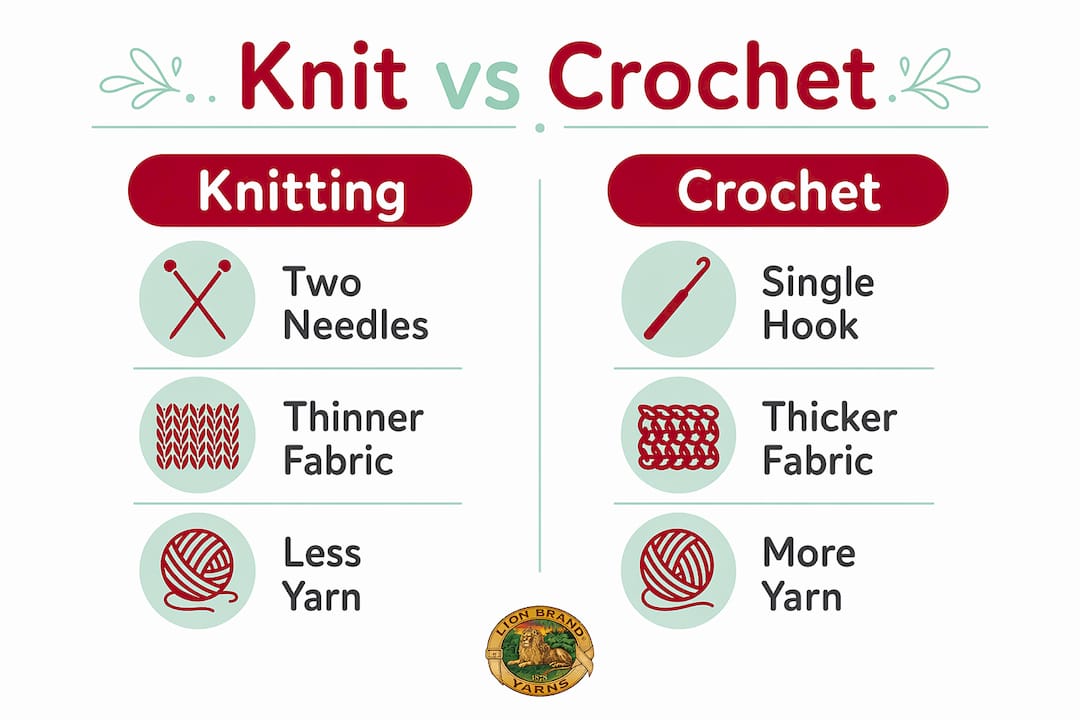
Knitting, by contrast, interlocks loops in a way that uses less yarn while producing a lighter, stretchier fabric. This makes knitting more economical for large garment projects like cardigans or shawls. Lion Brand Wool-Ease Yarn works beautifully for both crafts, but if you are planning a large knit sweater versus a crocheted throw, you will need noticeably more yarn for the crochet version.
| Feature | Knitting | Crochet |
|---|---|---|
| Yarn usage | Lower per square inch | 30–50% more per square inch |
| Fabric weight | Lighter, thinner | Heavier, denser |
| Fabric texture | Smooth, drapey | Textured, structured |
| Stretch | High | Low to moderate |
| Best for | Garments, socks, shawls | Bags, blankets, amigurumi, home décor |
The stretch difference matters most when making wearables. A knitted hat stretches to fit multiple head sizes. A crocheted hat holds a fixed shape, which is great for structured styles but requires more precise sizing. For a beginner making their firstone-skein scarf, crochet is forgiving and fast. For a fitted pullover with drape, knitting delivers a better result.
Lion Brand 24/7 Cotton Yarn is a strong choice for both crafts. It is smooth enough for knitted garments and sturdy enough for crocheted kitchen items like dishcloths and market bags.
Is knitting easier than crochet for beginners?
Crochet is easier for absolute beginners because it requires managing only one active loop at a time. There is no risk of multiple stitches sliding off the hook, and the hand movements are simpler to learn. Most beginners can complete a recognizable crochet swatch within their first session.
Knitting requires coordinating two needles while keeping every stitch on the needle secure. That coordination takes longer to develop. The payoff is a fabric with more drape and stretch, but the initial learning curve is steeper.
Fixing mistakes also differs sharply between the two crafts:
Crochet errors: Unravel back to the mistake stitch by stitch. Because each stitch is complete and locked, the process is clean and controlled.
Knitting errors: Require either “tinking” (knitting backward stitch by stitch) or “frogging” (pulling the needle out and unraveling). Dropped stitches in knitting can ladder down multiple rows and are difficult to recover without a crochet hook and some experience.
Crochet stability: The single active stitch structure prevents runaway unraveling, making crochet more forgiving during the learning phase.
Knitting prevention: Stitch markers and needle stoppers are standard tools for preventing accidental drops, especially when setting a project down mid-row.
Fixing crochet mistakes is simpler because each stitch is individually completed before the next begins. That structural independence is what makes crochet the recommended starting point for most new crafters.
Pro Tip: If you are learning to knit and need to set your project down, push all stitches to the center of the needle and cap both ends with rubber needle stoppers. This prevents any stitch from sliding off while the project sits.
Which projects suit knitting or crochet best?
The fabric each craft produces determines which projects it handles best. Knitting’s smooth, stretchy fabric excels for anything worn close to the body. Crochet’s dense, structured fabric shines for items that need to hold a shape or carry weight.
Best projects for knitting
Fitted sweaters and cardigans that need drape and stretch
Socks and mittens requiring fine, elastic fabric
Shawls and wraps where lightweight drape is the goal
Colorwork patterns like Fair Isle, which benefit from knitting’s flat, smooth surface
A knit Christmas stocking is a classic seasonal project that showcases knitting’s ability to create detailed, shaped fabric
Best projects for crochet
Amigurumi toys and stuffed animals, where dense fabric holds stuffing without gaps
Thick blankets and afghans that benefit from crochet’s speed and texture
Bags, baskets, and totes that need structural integrity
Home décor items like placemats, coasters, and kitchen accessories
A crochet kitchen ensemble is a practical example of how crochet’s density creates durable, functional household items
Lion Brand Vanna’s Choice Yarn is a go-to for crochet blankets and amigurumi because its smooth, consistent texture makes stitch definition clear. For knitted garments, Wool-Ease Thick & Quick Yarn works up fast on large needles and produces a cozy, drapey fabric that suits ponchos and oversized sweaters.
Both crafts also combine well. The Granny Raglan Pullover pattern uses both techniques in one project, which is a great way to practice each craft’s strengths side by side.
Key Takeaways
Knitting and crochet differ most in tools, stitch management, and fabric output, and those differences directly determine which craft suits your goals, skill level, and project type.
| Point | Details |
|---|---|
| Core tool difference | Knitting uses two needles with multiple live stitches; crochet uses one hook with one active stitch. |
| Fabric character | Knitted fabric is smooth and stretchy; crocheted fabric is dense and structured. |
| Yarn consumption | Crochet uses 30–50% more yarn per square inch than knitting for the same project. |
| Beginner ease | Crochet is easier to start because mistakes are simpler to fix and stitch management is lower. |
| Project fit | Knitting suits garments and fine wearables; crochet suits 3D shapes, bags, and home décor. |
Lion Brand’s take on choosing between the two crafts
Neither craft is better. They solve different problems and produce different results. The question is not which one is superior. The question is which one matches what you want to make right now.
At Lion Brand, the crafters who thrive fastest are the ones who start with crochet for confidence and then add knitting when they are ready for garments with drape. Skills built in one craft transfer directly to the other. Yarn tension, fiber behavior, reading a pattern, understanding gauge. All of it carries over.
Crochet is also more portable than knitting. One hook, one active loop, and you can pause mid-stitch without losing anything. Knitting requires securing live stitches before you set it down. For crafters with busy schedules or unpredictable windows of time, that portability difference matters more than people expect.
The honest advice is this: pick the craft that matches your first project goal. Want to make a stuffed animal or a market bag? Start with crochet. Want to make a fitted sweater or colorwork hat? Learn to knit. And once you are comfortable with one, the other will come faster than you think.
— Lion Brand Yarn team
Ready to start your first knit or crochet project?
Lion Brand carries yarns and kits for every skill level and every project type, whether you are picking up a hook for the first time or casting on your tenth sweater.
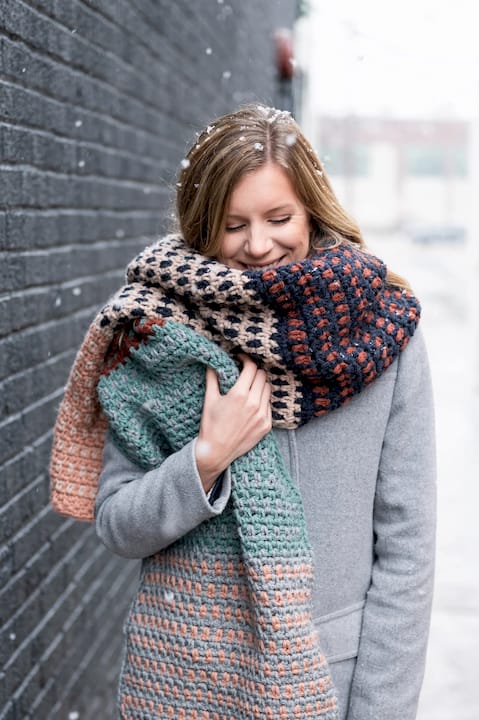
The Crochet Kit: Make A Statement Scarf includes everything a beginner needs to complete a real, wearable project. For knitters, the free pattern library at Lion Brand covers everything from a quick garter knit scarf to a fitted turtleneck sweater. Browse the full collection of knit and crochet kits to find a project that fits your craft, your timeline, and your style.
FAQ
What is the main difference between knitting and crochet?
Knitting uses two needles and keeps multiple live stitches active at once, while crochet uses a single hook and works one stitch at a time. This difference shapes the fabric texture, learning curve, and project types each craft handles best.
Is knitting or crochet better for beginners?
Crochet is generally easier for beginners because it involves only one active stitch and mistakes are simpler to fix. Knitting requires managing multiple live stitches simultaneously, which takes more coordination to learn.
Does crochet use more yarn than knitting?
Yes. Crochet uses approximately 30–50% more yarn per square inch than knitting for the same project size, because the denser stitch structure requires more material.
Which craft is better for making sweaters?
Knitting is the preferred choice for sweaters and fitted garments because knitted fabric is thinner, stretchier, and drapier. Crochet produces a stiffer, denser fabric that works better for structured items like bags and home décor.
Can you use the same yarn for both knitting and crochet?
Yes. Most yarns work for both crafts. Lion Brand Vanna’s Choice Yarn and Wool-Ease Yarn are popular choices for both knitters and crocheters because of their consistent texture and wide color range.