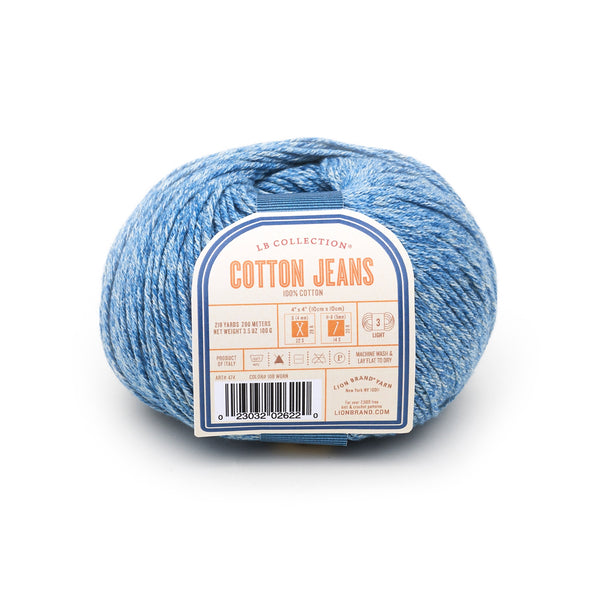
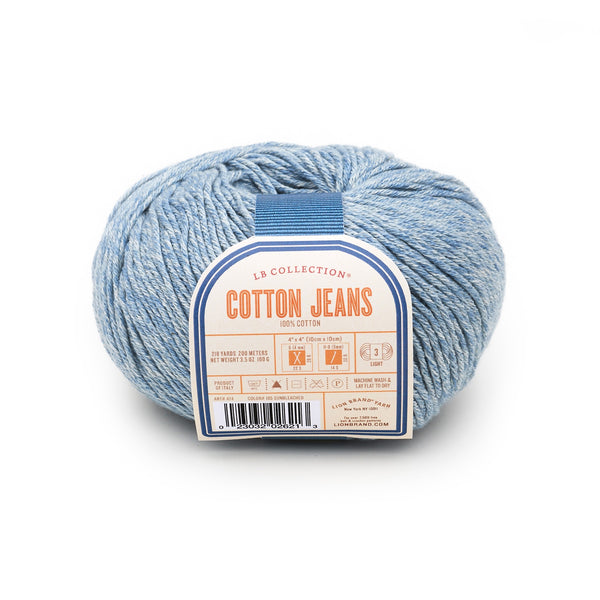
The easiest way to knit an interesting mitten is to use a variegated or patterned
yarn. This way you can let the yarn do the design work and you can knit away while
you can talk or read, or in my case, watch every episode of 24 and still remember
the plot lines.
My favorite way to design a mitten is play with the mitten structure as I knit.
Start with the cuff. You can knit one or two and purl one or two and make a ribbed
cuff. Add stripes for variety. You can make a rolled edge cuff by knitting
stockinette stitch. You can stripe your rolled edge cuff, both horizontally and
vertically. Or you can cast on with a textured or novelty yarn like fun fur and knit
with that for several rows.
The thumbs, mitten body, and mitten top can all be knit in different colors. You
can choose colors ahead of time and play with say four colors, giving one mitten a
cuff in red, a body in blue, a top in green, and a thumb in yellow. The second
mitten could have the cuff in yellow, the body in green, the top in blue and the
thumb in red. Well, you get the idea.
Knitting the mittens and pattern choice: For simple everyday warm mittens for
you and your family and the cold hands in your community and our world, for mittens
that can be knit quickly and in quantity, knit your mittens in the round, on double
pointed needles. This will save you sewing up seams after you finish knitting.
Knit mittens with a non-Kitchener top. Instead of weaving the Kitchener way and
creating a flat top mitten, the stitches on mitten top are decreased until there are
eight or so stitches left. Those stitches are pulled together and gathered to create
a more organic looking pointed top.
Knit mittens that can be worn on either hand. This can save a lot of frustration,
esp. if you are forgetful or distracted. I can testify how easy it is to knit two
right hand mittens. Avoid the problem all together.
Knit mittens with a pattern that is easy enough to memorize after a pair or so.
You can carry the pattern with you but it’s a great comfort not to have to keep
looking down and checking.
Instead of placing a marker for the gusset stitches, use a purl stitch. This idea
comes from Mabel Corlett’s Old Fashioned Mittens, a pattern available on the
Internet. This creates a very sharp looking outline for the gusset and eliminates
marker, which are easy to drop.
When you are increasing stitches for thumb gusset, insert needle into stitch
below as if you are going to purl, lift the stitch and twist it onto needle. Then
knit it. This will give you a very tight gusset edge and usually eliminates the
holes that can happen to even the best of knitters.
Place thumb stitches on a stitch holder rather than a piece of yarn. It is much
easier to pick up stitches from a holder than it is from a piece of yarn. This is
important if your splits easily or you are knitting with darker yarn.
The Starter Mitten: In the spirit of knitting and sharing, I’d like to
offer up a mitten pattern. It is a hybrid of patterns I have encountered and used
and incorporates many of the ideas I have written about in this article.
So grab your needles and yarn and give The Starter Mittens a try this
summer. Make the first pair for yourself. This is the best way I know to test a
mitten pattern for comfort, warmth and style. Have fun and good luck on your mitten
journey! |