How to Select Yarn for Baby Projects: A Complete Guide
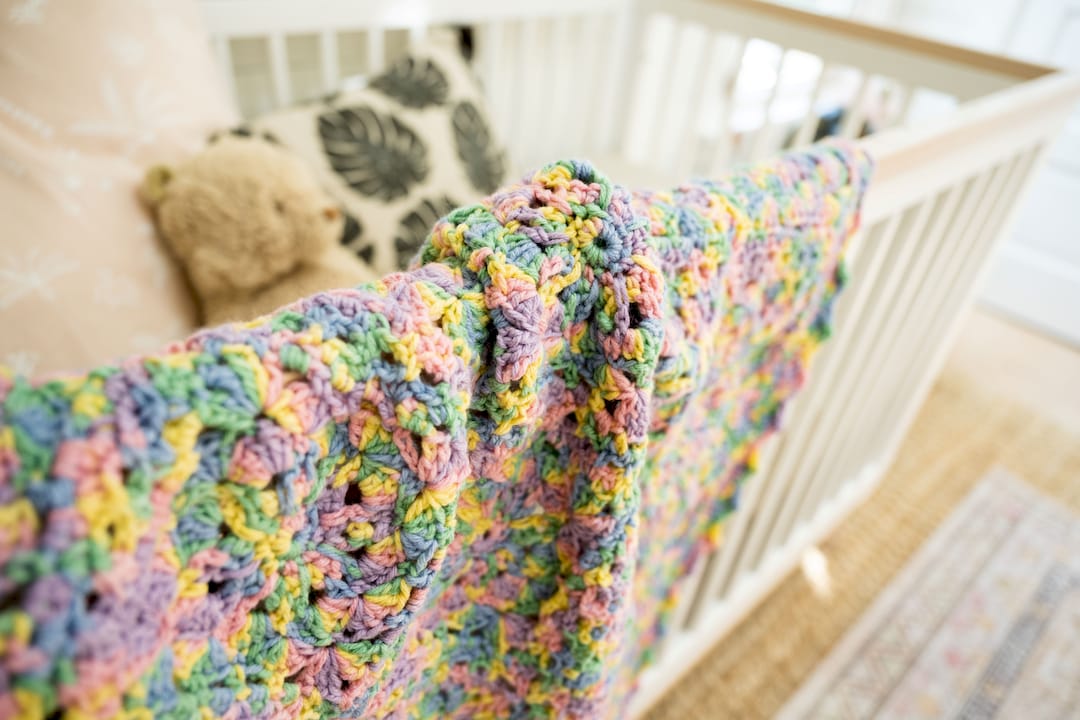
Image: Granny Squares Baby Afghan
- The best yarn for baby projects is machine-washable, hypoallergenic, and soft enough for delicate skin. Choosing the right fiber type and weight ensures safety, comfort, and durability for infants. Pre-washing finished items is essential for safety and to prevent surprises, making practicality a priority over aesthetics.
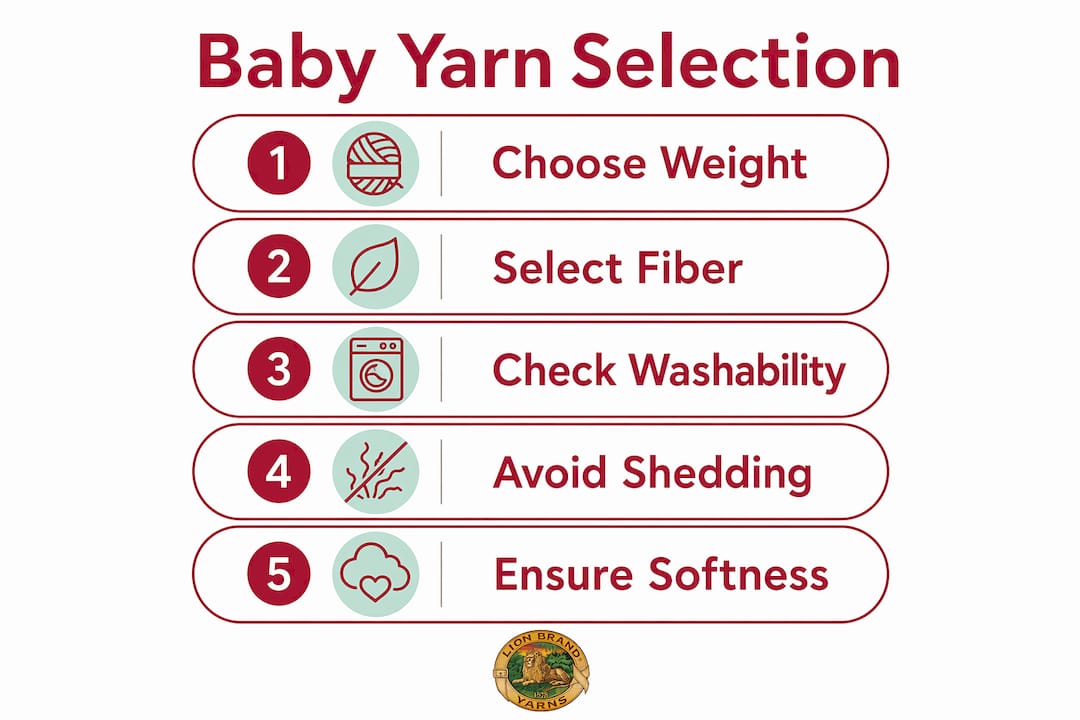
The best yarn for baby projects is machine-washable, hypoallergenic, and soft enough for a newborn’s skin. These three qualities are non-negotiable. When you select yarn for baby projects, the stakes are higher than for any other craft. A scratchy fiber irritates delicate skin. A yarn that can’t go in the washing machine frustrates busy parents. And a fiber that sheds poses real safety risks for infants. Getting this right means the finished piece gets used, loved, and passed down.
Lion Brand has spent more than 145 years helping crafters make exactly these decisions. The guidance below covers fiber types, yarn weights, care practices, and project ideas so every baby item you make is as safe as it is beautiful.
Which yarn types and weights work best for baby projects?
Yarn weight is the first decision to make. Weight 1 (Super Fine), Weight 2 (Fine), and Weight 3 (Light) work best for delicate baby garments like booties, hats, and sweaters. For baby blankets, Weights 2 through 4 (Medium) give you the right combination of drape and warmth without bulk.
Fiber type matters just as much as weight. Here is how the most common options compare:
| Fiber Type | Weight Range | Key Benefit | Best Use |
|---|---|---|---|
| 100% Cotton | 2–4 | Breathable, hypoallergenic | Summer blankets, bibs, washcloths |
| Acrylic (baby-grade) | 2–5 | Durable, machine-washable, affordable | Everyday blankets, hats |
| Superwash Merino | 1–3 | Ultra-soft, temperature-regulating | Garments, newborn sets |
| Cotton/Bamboo Blend | 2–3 | Soft, breathable, gentle | Clothes, lightweight blankets |
| Acrylic/Nylon Blend | 3–4 | Strong, colorfast, easy care | Toys, play blankets |
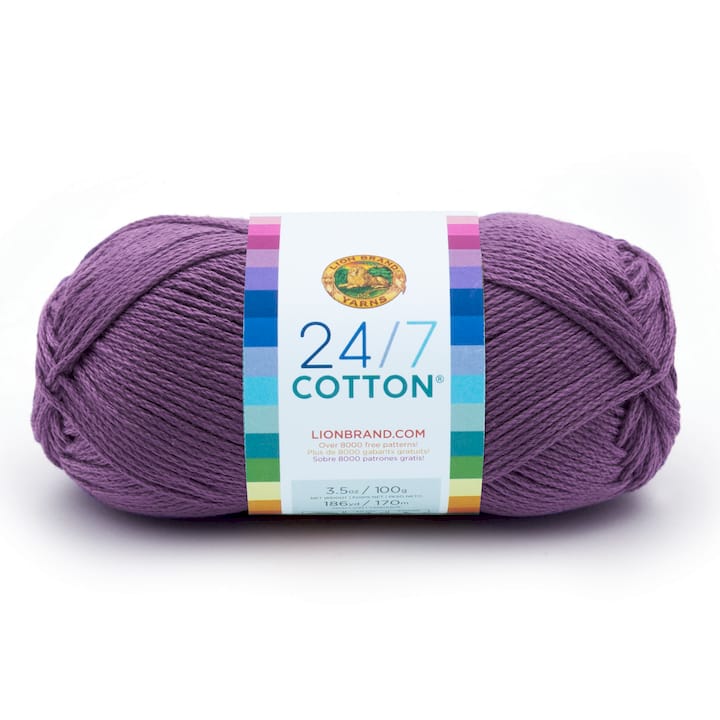
Natural fibers like cotton offer superior breathability compared to synthetic fibers. That breathability matters because infants cannot regulate their own body temperature. Lion Brand’s 24/7 Cotton Yarn is a strong choice for warm-weather baby items and bibs because it is 100% mercerized cotton and fully machine-washable.
Superwash merino and premium cotton blends balance softness, breathability, and machine-washability. Professionals consistently prefer these fibers for baby skin. Lion Brand’s Coboo Yarn, a cotton and bamboo blend, hits all three marks.
Pro Tip: Always check the label for “machine washable” before buying yarn for a baby gift. A beautiful hand-wash-only sweater will sit in a drawer because new parents simply do not have time for delicate laundering.
One fiber category to avoid entirely: mohair, novelty, and brushed fibers. These shed loose fibers that pose inhalation and choking risks, especially for infants under 12 months. Stick to smooth, tightly spun yarns with no halo or fuzz.
How to care for yarn and finished baby items
Washing yarn and finished items before gifting is a step many crafters skip. Pre-washing removes residues, softens fibers, and tests colorfastness so you know the item is safe before it touches a baby’s skin. This single step prevents most post-gift surprises.
Follow these steps to prepare and maintain baby knits and crochet pieces:
Pre-wash the finished item. Use a gentle, fragrance-free detergent and cold water. This confirms the yarn is colorfast and removes any residue from the manufacturing process.
Check the yarn label’s care instructions. Machine-washable yarns like Lion Brand Baby Soft Yarn can go in the washing machine on a gentle cycle. Hand-wash-only yarns require a basin and cool water.
Lay flat to dry. Hanging wet knits stretches them out of shape. Lay the item on a clean towel and reshape it while damp.
Avoid high heat. Even machine-washable yarns can pill or shrink in a hot dryer. Use low heat or air dry.
Store finished items clean. Storing a dirty knit attracts pests and sets stains. Always wash before storing or gifting.
Pro Tip: Place a finished baby blanket in a mesh laundry bag before machine washing. The bag protects the fabric from snagging on zippers or agitator parts and extends the life of the piece significantly.
Acrylic yarn is durable, widely available, and easy to wash, making it a practical choice for busy families. Lion Brand’s Pound of Love Yarn is a baby-grade acrylic that delivers exactly this: soft, machine-washable, and available in a generous quantity perfect for large blankets.
What are the best baby knitting and crochet projects to make?
Baby items make some of the most meaningful handmade gifts. The projects below match well to the yarn types covered above and suit a range of skill levels.
Baby blankets. The most popular baby project for good reason. A simple stockinette or garter stitch blanket in a Weight 3 or 4 yarn works up quickly and stays soft through dozens of washes. The Lion Brand Bloomfield Baby Blanket pattern is a great starting point for knitters at any level.
Baby sweaters and sets. A coordinated sweater, hat, and bootie set is a classic baby gift. The Buttery Soft Baby Set pattern pairs beautifully with Lion Brand Bundle of Love Yarn for a finished piece that feels as good as it looks.
Hats. A newborn hat is the fastest baby project you can make. It uses minimal yarn, knits up in an evening, and is always needed. Use a Weight 2 or 3 yarn for a snug, comfortable fit.
Bibs. Cotton yarn shines here. A crocheted bib in 24/7 Cotton Yarn is absorbent, machine-washable, and gentle on skin.
Baby booties. These small projects are ideal for using up leftover yarn. A Weight 2 or 3 superwash merino or cotton blend keeps tiny feet warm without overheating.
Crochet baby sweaters. The Lion Brand Lil Rascal crochet kit is designed for newer crocheters and uses a smooth, baby-safe yarn that shows stitch definition clearly.
Colorful throw blankets. The Allegra Baby Blanket kit uses Mandala Ombre Yarn, which self-stripes for color variety without the hassle of changing skeins.
Choosing soft, simple color palettes such as warm neutrals and muted pastels creates timeless, gift-worthy baby items. These colors photograph beautifully and age well as the child grows.
Crochet stitches create physical holes that can trap small fingers. Use a tight gauge and smooth yarn for any crochet item intended for infants. This is especially true for blankets and wearables where a baby’s hand might catch in an open stitch.
What mistakes should you avoid when making baby projects?
Most problems with baby knits and crochet pieces trace back to yarn selection. Catching these errors before you cast on saves time, money, and frustration.
Choosing non-machine-washable yarn. Parents wash baby items constantly. A yarn that requires hand washing will not get used. Machine-washability is the single most critical feature for functional baby items.
Using novelty or textured yarns. Eyelash, bouclé, and heavily textured yarns look appealing in the skein but shed fibers and snag easily. They also hide your stitch work, making it harder to spot errors.
Ignoring gauge. A sweater knit at the wrong gauge will not fit. Baby sizing is unforgiving because the size range is so narrow. Always swatch before starting a garment.
Prioritizing appearance over softness. A yarn that looks beautiful but feels scratchy against the cheek will not be worn. Test every yarn against the inside of your wrist before committing to a full project.
Skipping the pre-wash. Gifting an unwashed item means the recipient has to wash it before use, and colorfastness is unknown. Pre-washing is a simple courtesy that also confirms safety.
Specialized baby-labeled yarns carry higher safety standards than general-purpose yarns. Baby-specific yarns are formulated for itch resistance and, in some cases, flame resistance. General-purpose yarns may lack these features entirely. When the item is for a newborn or young infant, always reach for a yarn specifically designed for baby use.
Lion Brand’s perspective on beauty, safety, and practical baby crafting
The most common mistake crafters make is treating baby projects as purely decorative. A gorgeous lace shawl in a delicate hand-wash fiber looks stunning in photos. In practice, it sits folded in a drawer because no new parent has time to hand wash anything.
The crafters who get the most use out of their baby gifts are the ones who make the practical choice first and the beautiful choice second. That does not mean sacrificing creativity. Lion Brand’s Mandala Baby Yarn proves the point: it self-stripes through multiple colors, creates visually striking finished pieces, and is fully machine-washable. You do not have to choose between a gift that looks good and one that gets used.
Safety is not a constraint on creativity. It is the foundation of it. When you know your yarn is hypoallergenic, colorfast, and machine-washable, you can focus entirely on the design. The Knit Baby Set pattern is a good example: a detailed, beautiful design that works precisely because the underlying yarn meets every safety standard.
The crafters who struggle most are those who fall in love with a yarn in the store without asking whether it is right for the end user. Baby projects require a different discipline. The baby and the parent are the clients. Their needs come first.
Trusted baby yarns and patterns from Lion Brand
Lion Brand offers a full range of yarns and patterns built specifically for baby projects, with softness, safety, and easy care at the center of every product.
Baby Soft Yarn is one of Lion Brand’s most trusted options for infant items. It is machine-washable, hypoallergenic, and available in a palette of soft, classic colors. For crafters who want color variety without changing skeins, Mandala Baby Yarn delivers self-striping color in a baby-safe, easy-care fiber. Lion Brand’s free pattern library includes hundreds of baby knitting patterns and crochet designs, all sorted by skill level. Browse the full collection of knit and crochet kits to find everything you need in one place, from yarn to pattern to finishing details.
FAQ
What is the safest yarn fiber for newborns?
Superwash merino, baby-grade acrylic, and cotton blends are the safest choices for newborns. These fibers are hypoallergenic, machine-washable, and free from loose fibers that pose inhalation risks.
What yarn weight is best for baby blankets?
Weights 2 through 4 work best for baby blankets. These weights create a fabric with enough warmth and drape without adding unnecessary bulk or stiffness.
Should I wash yarn before starting a baby project?
Pre-washing finished baby items is the recommended practice. Washing before gifting removes residues, softens fibers, and confirms the yarn is colorfast.
Are acrylic yarns safe for babies?
Baby-grade acrylic yarns are safe, durable, and practical for baby items. They are machine-washable and hold their shape through repeated laundering, making them a top choice for blankets and everyday wear.
What projects are best for beginner baby knitters and crocheters?
Baby hats, simple blankets, and bibs are the best starting projects. They use minimal yarn, work up quickly, and do not require complex shaping, making them ideal for crafters building confidence.
Key takeaways
The most effective approach to yarn selection for baby projects is to prioritize machine-washability, hypoallergenic fiber, and smooth texture before any other consideration.
| Point | Details |
|---|---|
| Machine-washability is non-negotiable | Choose yarns parents can toss in the washing machine without worry or special care. |
| Fiber type determines comfort and safety | Cotton, baby-grade acrylic, and superwash merino are the top choices for infant skin. |
| Avoid shedding fibers | Mohair, novelty, and brushed yarns pose inhalation risks for infants under 12 months. |
| Pre-wash before gifting | Washing finished items removes residues, tests colorfastness, and confirms safety. |
| Match weight to project type | Use Weights 1–3 for garments and Weights 2–4 for blankets to get the right fit and drape. |