Velvet Yarn Crochet Benefits: Soft, Cozy Projects
- Velvet yarn offers an ultra-soft, plush texture and luxurious appearance, but its pile hides stitch details, requiring careful tension control. It is best suited for simple, dense stitches in projects like throws, cushions, and accessories, especially when using machine-washable Cover Story. Proper swatching, tension management, and mindful care ensure successful crochet experiences with velvet yarn.
Velvet yarn delivers ultra-soft, plush texture, fluid drape, and a luxury look that elevates even the simplest crochet stitches — with one real caveat: the pile hides stitch anatomy, so tension control and stitch selection matter more than they do with standard acrylic.
The short version:
Unmatched softness for blankets, scarves, cowls, and cozy home items
Plush pile creates visual depth and a high-end finish with basic stitches
Minor tension inconsistencies disappear into the pile (structural errors do not)
Care varies by weight: lighter yarn is often machine-washable; heavier yarn usually requires hand-washing
Velvet yarn is best suited to crocheters who are comfortable with basic tension control and willing to swatch before committing to a full project. Absolute beginners will find it easier to build stitch recognition on a smooth worsted yarn first.
Table of Contents
What velvet yarn is and how it’s constructed
Velvet yarn gets its distinctive feel from pile construction: a plush outer layer of fiber loops or cut ends wrapped around a stable inner core. That core keeps the yarn from stretching out of shape, while the pile gives the finished fabric its signature softness and sheen. The result is structurally different from both standard acrylic and true chenille, though the terms are often used interchangeably in craft retail.
Most velvet-style yarns are polyester-dominant or polyester/nylon blends, which is what creates the characteristic sheen and makes the pile durable enough to survive regular use. Fiber content directly affects washability and how much the pile sheds over time, so reading the yarn band before buying is non-negotiable.
The two categories you’ll encounter most often:
Baby Velvet (weight 4 / worsted): Lighter, softer, and typically machine-washable. The go-to for baby items, lightweight throws, and everyday accessories where easy care matters.
Velvet (weight 5 / bulky): Heavier with a denser pile and more dramatic drape. Usually hand-wash only. Better for statement throws, cushion covers, and wraps where the visual impact outweighs the extra care step.
Crushed or textured velvet variants: Less common, with a more irregular pile surface. Interesting for home décor but harder to work with consistently.
What to check on the yarn band before you start:
| Velvet Type | Typical Weight | Common Uses | Washability |
|---|---|---|---|
| Baby Velvet | 4 (worsted) | Baby items, light throws, accessories | Machine-washable (gentle cycle) |
| Velvet | 5 (bulky) | Throws, cushions, statement wraps | Hand-wash only |
| Textured/crushed velvet | Varies | Home décor, accent pieces | Check label — varies |
Pro Tip: Always check the care symbols on the yarn band, not just the fiber content. Two velvet yarns that look identical on the shelf can have completely different wash instructions depending on their blend.
The real velvet yarn crochet benefits, explained
The velvet yarn crochet benefits that matter most come down to four things: how it feels, how it looks, how it drapes, and how forgiving it is when your tension isn’t perfect.
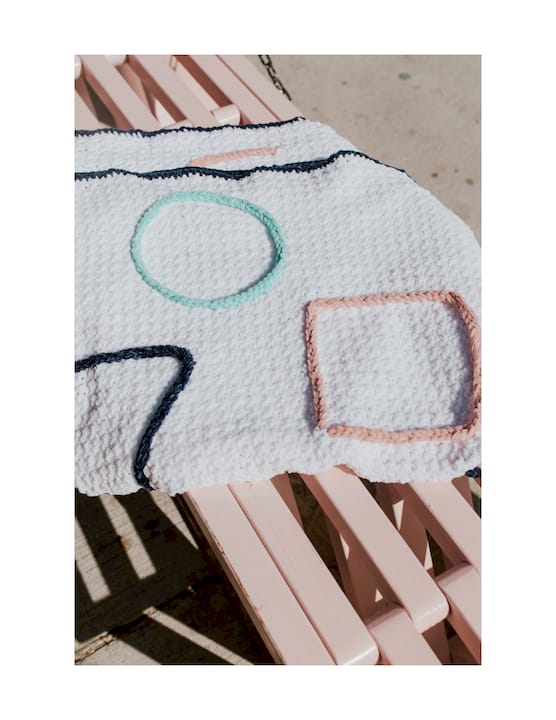
Image: Shapes Baby Throw
Softness and hand feel. The pile construction creates a surface that feels genuinely different from smooth acrylic or cotton. For next-to-skin items like cowls, scarves, and baby blankets, that tactile quality is the whole point. A finished velvet throw doesn’t just look cozy — it feels like something worth keeping.
Visual texture and sheen. Even a simple single crochet fabric in velvet yarn has depth. The pile catches light differently across the surface, creating a richness that would take complex stitch work to achieve in a flat yarn. This is one of the reasons velvet is so popular for easy crochet projects that still look impressive: the yarn does a lot of the visual heavy lifting.
Drape and weight. Velvet yarn produces a fabric with real weight and fluid movement, especially in ribbing and post-stitch textures. A ribbed cowl in velvet drapes around the neck differently than the same stitch in worsted acrylic. For wraps and throws, that drape is an asset.
Error tolerance. The pile softens the look of minor tension inconsistencies. A slightly uneven row that would be obvious in cotton or smooth acrylic disappears into the surface texture of velvet. This does not mean structural mistakes vanish — a dropped stitch or a miscounted row is still a problem — but the small surface wobbles that frustrate newer crocheters are far less visible.
Pro Tip: Pair velvet yarn with simple, repetitive stitch patterns like ribbing or single crochet grids. The yarn’s texture carries the project; you don’t need complex stitch work to get a result that looks polished.
Best project matches for each benefit:
Softness: baby blankets, cowls, scarves worn against skin
Visual texture: throw pillows, decorative blankets, gift items
Drape: wraps, shawls, ribbed accessories
Error tolerance: first-time velvet projects, large-repeat blankets
What to watch out for before you commit to velvet yarn
Velvet’s strengths come with real trade-offs. Going in with clear expectations prevents a lot of frustration.
Stitch invisibility. The pile obscures stitch anatomy. Finding the correct insertion point for your hook is genuinely harder than with smooth yarn, and absolute beginners often struggle to count stitches or recognize stitch structure in velvet fabric. Complex stitch patterns, amigurumi with tight shaping, and anything requiring frequent stitch counting are risky choices until you’re comfortable with the feel.
Worming. This is the most common complaint. Worming happens when loops of the pile pop free from the fabric surface, creating visible bumps or loops. Loose tension and the wrong hook size are the usual causes. Tight, consistent tension and dense stitches like single crochet and half double crochet reduce the risk significantly.
Worming in velvet yarn is almost always a tension problem, not a yarn defect. Going down one hook size and keeping consistent tension eliminates it in most cases. If you’re still seeing loops pop after adjusting, check whether you’re pulling the working yarn too loosely between stitches.
Shedding. New velvet yarn sheds. Expect some fuzz on your hands and clothes while you work, especially in the first few hours. This typically settles down after the first wash.
Frogging consequences. Unraveling velvet yarn flattens the pile, and the frogged yarn looks visibly different from a fresh skein. Many experienced makers set frogged velvet aside for a separate, smaller project rather than reusing it in the same piece. Buy extra skeins.
Care caveats:
Many velvet yarns require hand-washing, which limits how the finished item gets used
Machine-washable Baby Velvet is the better choice for items that need frequent laundering
Always wash-test your swatch before finishing a large project
How to crochet with velvet yarn successfully
Getting good results with velvet yarn comes down to a clear sequence of decisions before and during the project.
1. Swatch first — and wash the swatch. Cast on a 6-inch square using your planned stitch. Check gauge, look for worming, and then hand-wash or machine-wash the swatch according to the yarn label. Practitioners consistently emphasize wash-testing the swatch to confirm how the pile reacts to laundering before committing to a full project. Pile can flatten or bloom after washing, which changes both the look and the gauge.
2. Choose your hook carefully. Smooth metal hooks or inline hooks reduce friction against the pile. Go down one hook size from the label recommendation if your tension runs loose. A tension ring helps many crocheters maintain consistency across long sessions.
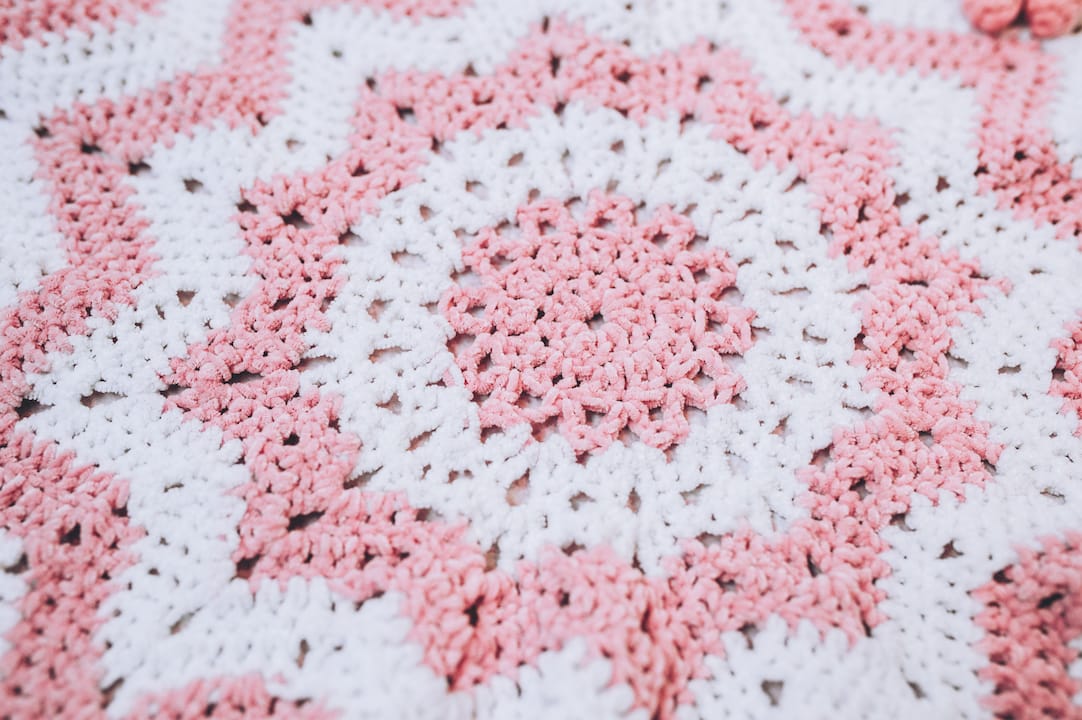
Image: Twinkle Blanket
3. Pick the right stitches. Single crochet, half double crochet, and post stitches are the workhorses of velvet crochet. They create a dense fabric that keeps the pile secure and makes it easier to find insertion points. Open lace stitches are harder to execute because the stitch anatomy is already difficult to see — save those for after you’re comfortable with the yarn.
4. Feed yarn from the outside of the skein. Pulling velvet yarn from the center of the skein can collapse the core and create severe tangles that are genuinely difficult to undo. Work from the outside instead.
5. Join new skeins at row ends only. Change colors or join new yarn at the end of a row, never mid-row. Tie a secure knot and leave tails of 12–16 inches for weaving. Velvet’s slippery surface means short tails work loose over time, so longer is always safer.
6. Weave in ends with care. Thread the tail onto a tapestry needle and weave in multiple directions through the pile, not just along a single path. Trim close to the fabric surface.
7. Plan for frogging before it happens. Decide in advance how many rows you’re willing to rip back. If you frog more than a few rows, the pile on that yarn will look different from the rest of the project. Buy one extra skein beyond your pattern’s requirement so you have replacement yarn on hand.
Pro Tip: Use smooth, comfortable hooks in the recommended size range for velvet work. Rough or textured hook surfaces catch the pile and slow you down considerably.
Quick swatch checklist:
Correct gauge before washing?
Any worming visible in the swatch?
Pile intact after washing and drying?
Gauge consistent after drying?
Projects that shine with velvet yarn (and a few to skip)
Velvet yarn rewards projects where softness, drape, and visual texture are the priority. It struggles where precision, frequent washing, or complex shaping are required.
Best projects for velvet yarn:
Throws and blankets: The ideal use case. Large, repetitive stitches let the pile do the work, and the finished item is exactly what velvet was made for. The Lion Brand My Favorite Comforting Afghan is built around this pairing.
Cowls and scarves: Simple ribbing in velvet produces a result that looks and feels far more luxurious than the stitch complexity suggests.
Cushion covers: Velvet’s pile adds tactile interest to home décor without requiring complex construction.
Simple hats: Ribbed beanies and basic caps work well. Keep seaming minimal.
Wraps and shawls: Velvet’s drape is a genuine asset for drapey accessories. The Lion Brand Sarabeth Shawl pattern is designed for velvet-style yarns.
Projects to approach with caution or skip:
Complex lace patterns: stitch visibility makes these genuinely difficult
Heavily seamed garments: seams in velvet are bulky and hard to press flat
Amigurumi with tight shaping: stitch counting is too difficult in pile fabric
Items requiring frequent machine-washing (unless using machine-washable Baby Velvet)
Pro Tip: Plan borders into any velvet blanket or throw. A simple single crochet border around the edge hides skein joins and gives the finished piece a clean, intentional look.
Do/Don’t quick reference:
| Do | Don’t |
|---|---|
| Use dense stitches (sc, hdc, post stitches) | Use open lace on a first velvet project |
| Swatch and wash-test before starting | Skip swatching to save time |
| Buy one extra skein | Buy exactly the pattern amount |
| Join at row ends | Join mid-row |
| Feed from outside of skein | Pull from center of skein |
How to care for finished velvet yarn items
Care is where velvet yarn requires the most attention after the project is done. Getting it wrong can flatten the pile permanently.
Reading the label first: The care symbols on the yarn band are the authority. Two velvet yarns that look identical can have different fiber blends and completely different wash requirements. Baby Velvet (weight 4) is machine-washable on a gentle cycle; Velvet (weight 5) is hand-wash only.
Washing:
Hand-wash in cool water with a gentle detergent, using a press-and-squeeze motion rather than rubbing or wringing
For machine-washable velvet, use a mesh laundry bag, cold water, and the delicate cycle
Avoid hot water, which can flatten the pile and distort the fabric
Drying and blocking:
Lay flat to dry on a clean towel or blocking mat; never hang velvet items, as the weight of wet fabric will stretch them out of shape
Reshape gently while damp; do not rub the pile
A light steam from a few inches away can revive a flattened pile, but never press an iron directly onto velvet fabric
Allow to dry completely before storing
Storage:
Store folded loosely in a breathable bag or on a shelf; avoid heavy stacking that compresses the pile over time
Keep away from direct sunlight for extended periods, which can affect color in polyester-dominant yarns
Pro Tip: Wash your swatch using the exact method you plan to use for the finished item. If the pile flattens or the gauge shifts noticeably, adjust your care approach before the project is complete.
Why Lion Brand’s guidance and resources matter here
Lion Brand has been helping crocheters find the right yarn for the right project for more than 145 years. That history shows up in the depth of the free pattern library, the range of yarn weights and fiber options, and the care that goes into kit curation.
For velvet-style projects specifically, Lion Brand offers:
Curated kits that pair yarn, pattern, and care notes in one purchase, removing the guesswork about yardage and hook size
A free pattern library with thousands of patterns sorted by skill level, including options that work well with plush, bulky-weight yarns
Educational resources covering tension, hook selection, and stitch tutorials that directly apply to the challenges velvet yarn presents
Lion Brand’s pattern library and kit offerings give crocheters a structured starting point for velvet-style projects — the pattern, the yarn amount, and the care notes are already matched, which removes the most common sources of frustration when working with specialty yarns.
Two kits worth bookmarking:
The Odhran Baby Blanket: a compact, beginner-friendly velvet project with everything included
The Pine Mountain Blanket: a full throw project with velvet-style yarn and a pattern designed for the fiber
For crocheters who want to explore velvet-adjacent textures, Feels Like Butta offers a similarly soft, plush hand with slightly different construction.
Key Takeaways
Velvet yarn’s core strength is the combination of ultra-soft pile, visual depth, and drape that makes even simple stitches look polished — but consistent tension and stitch selection determine whether a velvet project succeeds or frustrates.
| Point | Details |
|---|---|
| Weight determines washability | Baby Velvet (weight 4) is machine-washable on a gentle cycle; Velvet (weight 5) is hand-wash only. |
| Dense stitches prevent worming | Single crochet, half double crochet, and post stitches keep the pile secure and reduce loop pop-out. |
| Swatch and wash-test before starting | Pile can flatten or gauge can shift after laundering — test before committing to a large project. |
| Leave long tails when joining | Velvet’s slippery surface means short tails work loose; longer tails weave in more securely. |
| Lion Brand kits simplify the process | The Velvet Ribbed Cowl and Vel-Luxe Throw Blanket kits match yarn, pattern, and care notes in one purchase. |
Pro Tip: Start with a small project like a cowl or scarf before attempting a full throw. One finished small project teaches you more about velvet’s handling than any amount of reading.
When velvet yarn is actually the right choice
Velvet yarn tends to get recommended broadly, but the crocheters who get the most out of it share a specific profile: they value tactile results over technical complexity, they’re comfortable adjusting tension mid-project, and they’re choosing a project where the finished item will be touched and used, not just displayed.
The weight choice matters more than most guides acknowledge. Baby Velvet is the practical everyday option. It’s lighter, easier to work with for longer sessions, and machine-washable, which means a finished throw or baby blanket can actually be used without anxiety about laundering. Standard Velvet makes sense when the visual impact and drape of a heavier fabric are the priority and the maker is comfortable with hand-washing.
The one consistent recommendation across every level of experience: swatch first, wash the swatch, and reserve velvet for projects where the softness and drape are the reason the item exists. A velvet throw that gets used every day on the couch is the right use of this yarn. A velvet garment with complex seaming and frequent washing needs is probably not.
Ready to try a velvet-style project?
Lion Brand’s curated kits take the friction out of starting. For crocheters who want to browse patterns first, Lion Brand’s free pattern library covers blankets, wraps, cowls, and accessories at every skill level. Check kit contents and yarn care notes at lionbrand.com before adding to cart.
Useful sources
The following resources informed the construction, handling, and care guidance in this article. Lion Brand product and kit pages provide pattern examples and project photography.
How to Successfully Crochet with Velvet Yarn — Daisy Farm Crafts: primary source for construction, tension, frogging, and swatch guidance
How to Crochet with Velvet Yarn — Pattern Princess: skein-feeding technique and tail-length recommendations
3 Tips for Crocheting with Velvet Yarn — Gleeful Things: joining, tail length, and end-of-row practices
Top 5 Crochet Stitches to Use with Velvet Yarn — Tiny Couch Crochet: stitch selection recommendations
Velvet Yarn Crochet Patterns — Easy Knitting Guide: beginner project framing and error-tolerance notes
FAQ
Why is velvet yarn so hard to crochet with?
The pile hides stitch anatomy, making it difficult to find insertion points and count stitches accurately. Loose tension compounds the problem by causing worming, where loops pop free from the fabric surface.
What should you crochet with velvet yarn?
Throws, blankets, cowls, scarves, cushion covers, and simple ribbed hats are the strongest matches. Projects with repetitive dense stitches let velvet’s softness and drape do the work without requiring precise stitch visibility.
How do you stop velvet yarn from worming?
Go down one hook size from the label recommendation, maintain tight consistent tension, and use dense stitches like single crochet or half double crochet. A tension ring helps many crocheters keep consistent pressure across long sessions.
Is velvet yarn good for beginners?
Baby Velvet is manageable for crocheters who already know basic stitches, but absolute beginners should build stitch recognition on smooth worsted yarn first. The pile makes it genuinely hard to see and count stitches until you know what you’re looking for.
Can you machine-wash velvet yarn projects?
It depends on the yarn. Baby Velvet (weight 4) is machine-washable on a gentle cycle; Velvet (weight 5) is hand-wash only. Always check the yarn band care symbols before washing any finished item.
