
Merino Wool Knitting Yarn Benefits: A Complete Guide
Merino wool knitting yarn benefits are defined by five core properties: exceptional softness, natural moisture management, outstanding durability, built-in odor resistance, and reliable thermoregulation. These qualities come directly from the fine fiber structure of Merino sheep, which produce wool with a micron count low enough to feel comfortable against bare skin. Knitters working on garments, scarves, and baby items consistently choose merino for its performance across seasons and its ability to hold stitch definition beautifully. Lion Brand carries merino wool blends like Cottino (a merino wool/cotton blend) that bring these natural advantages into accessible, ready-to-knit formats.
1. Softness that sets merino apart from other wools
The softness of merino wool yarn comes from fiber diameter, measured in microns. Standard wool typically measures above 30 microns, which causes the prickling sensation many knitters associate with wool. Superfine merino measures between 15 and 18.5 microns, while ultrafine grades fall below 15 microns. At those measurements, individual fibers bend rather than poke, which is why merino sits comfortably against sensitive skin.
Fiber length also matters. Long staple length in the 70–90mm range allows spinners to use a lower twist multiplier during yarn production. Less twist means a softer, more pliable yarn that still holds crisp stitch definition in cables, lace, and textured patterns.
Superfine merino (15–18.5 microns): Ideal for garments worn directly against skin, including baby clothes and fitted sweaters.
Ultrafine merino (below 15 microns): Best for luxury scarves, shawls, and projects where maximum softness is the priority.
Standard merino (18.5–24 microns): Works well for outerwear, hats, and accessories where slight extra durability is useful.
Pro Tip: When selecting merino yarn for a project worn close to the neck or wrists, check the micron count on the label. Anything below 19 microns will feel noticeably softer and reduce any chance of irritation.
2. Moisture management and thermoregulation that synthetic fibers cannot match
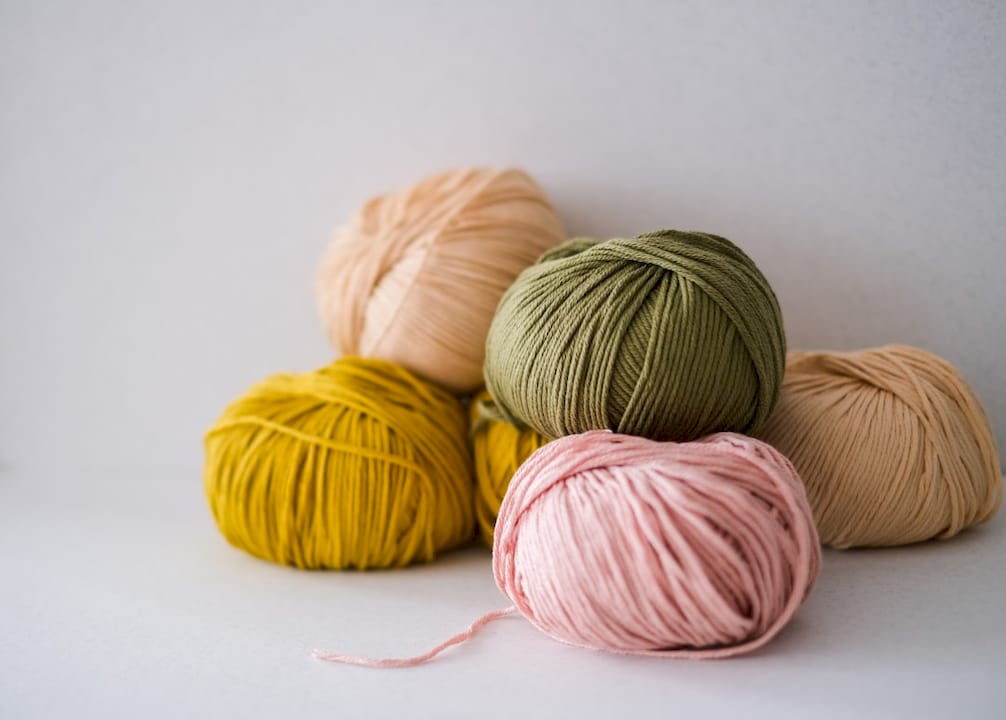
Merino wool absorbs up to 35% of its own dry weight in moisture without feeling wet to the touch. That absorption capacity keeps a wearer’s skin dry even during light activity, which is why merino works equally well in a winter sweater and a warm-weather layer.
The fiber also stabilizes body temperature between 33°C and 35°C (91°F and 95°F) , the range where the human body maintains its natural microclimate. Synthetic fibers trap heat without absorbing moisture, leading to overheating and sweat buildup. Merino actively manages both.
| Property | Merino Wool | Synthetic Fiber |
|---|---|---|
| Moisture absorption | Up to 35% of dry weight | Minimal, stays on surface |
| Temperature regulation | Maintains 33°C–35°C microclimate | Traps heat, no active regulation |
| Feel when damp | Stays dry to the touch | Feels clammy immediately |
| Season suitability | Year-round | Primarily cold weather |
Pro Tip: Contrary to what many knitters assume, merino is not just a winter fiber. Its natural ventilation and moisture management make it genuinely comfortable in spring and summer garments, including lightweight bandanas and layering pieces.
3. Durability and elasticity that extend garment life
Merino fibers can be bent over 20,000 times without breaking. That resilience translates directly into garments that hold their shape through repeated wear and washing, with well-cared-for pieces lasting more than five years.
Elasticity is the other side of durability. Merino fibers naturally spring back to their original shape after stretching. Cotton and many synthetic fibers lack this memory, which is why cotton knits sag at the elbows and cuffs over time while merino garments retain their structure.
Shape retention: Merino’s natural crimp acts like a coil spring, pulling the fabric back into form after each wear.
Stitch integrity: The elasticity keeps individual stitches from distorting, which matters most in fitted garments and detailed colorwork.
Investment value: A merino sweater that lasts five or more years costs less per wear than a synthetic alternative replaced every season.
Blend advantage: Combining merino with a small percentage of nylon increases abrasion resistance further, making it ideal for high-wear areas like sock heels and cuffs.
4. Odor resistance that reduces washing and extends garment freshness
Merino wool’s fiber structure slows bacterial colonization rather than killing bacteria outright. The keratin protein in each fiber changes the conditions bacteria need to thrive, which prevents the odor compounds those bacteria produce from forming in the first place.
The practical result is that merino garments can be worn for multiple days without developing noticeable odor. Airing the garment out between wears is often enough to neutralize odors naturally, without a wash cycle. That matters for knitters because frequent washing is the fastest way to shorten a handknit garment’s life.
“Airing out merino wool garments between wears is a critical maintenance step that many knitters overlook. Reducing wash frequency significantly extends garment life and preserves the fiber’s natural properties.” — World of Merino
Less washing also means less water use, less energy, and less wear on the fiber itself. For knitters who care about the environmental footprint of their craft, merino’s low-maintenance nature is a genuine advantage.
5. How merino wool performs for knitters with sensitive skin or wool allergies
Many knitters who report reactions to standard wool find merino comfortable without issue. The distinction is micron count. Coarser wool fibers above 30 microns mechanically irritate skin receptors, producing the classic “wool itch.” Fine merino fibers below 19 microns bend on contact rather than poke, eliminating that mechanical trigger.
True wool allergies involving lanolin are rare. Most reported wool sensitivity is actually a response to fiber coarseness, not the protein itself. Knitters who have avoided wool for years often find that superfine merino, particularly in a blend like LB Collection Merino Yak Alpaca, works comfortably for them.
For baby garments and items worn against a newborn’s skin, superfine merino is the standard recommendation among experienced knitters. The fiber is soft enough for the most sensitive skin while still providing the warmth and breathability that synthetic baby yarns cannot replicate.
6. Eco-friendly credentials that make merino a responsible fiber choice
Merino wool is a natural, renewable fiber. Merino sheep produce a new fleece each year, making the raw material inherently sustainable when farming practices are responsible. The fiber is also biodegradable, breaking down naturally at the end of its life rather than persisting in landfill the way synthetic fibers do.
The low-wash requirement discussed in the odor resistance section compounds the environmental benefit. Fewer wash cycles mean less microplastic shedding, less water consumption, and lower energy use over the garment’s lifetime. Synthetic fibers shed microplastic particles with every wash. Merino sheds none.
7. Stitch definition and knitting performance across project types
Merino yarn produces clean, well-defined stitches across a wide range of techniques. The fiber’s natural elasticity gives it enough spring to create crisp cables and textured patterns without the stiffness that some plant fibers introduce. Lace knitters favor merino because the fiber blocks beautifully, opening up lace motifs to their full intended shape after washing and pinning.
For colorwork, merino’s smooth surface allows colors to read clearly without the halo effect that some other natural fibers produce. Fair Isle and stranded colorwork projects benefit from the color clarity that merino delivers. Lion Brand’s LB Collection Superwash Merino is specifically designed for this type of project, combining merino’s performance with ready-to-use colorwork patterning.
Garment knitters working on fitted pieces like the Cropped Turtleneck pattern find that merino’s elasticity helps the finished piece conform to the body without losing structure between wears.
8. Practical care tips to preserve merino yarn’s natural properties
Merino is more durable than its softness suggests, but it does require specific care to maintain its properties over time. Gentle washing at 30°C/86°F, using a mild detergent, preserves the fiber’s crimp and softness. Tumble drying breaks down the fiber structure and causes irreversible shrinkage.
Wash gently: Use cool or lukewarm water with a wool-safe detergent. Avoid agitation, which causes felting.
Air dry flat: Lay the garment on a clean towel in its original shape. Never hang a wet merino knit, as the weight of the water will stretch it out of shape.
Air between wears: Hang the garment in a well-ventilated space for several hours between wears to neutralize odors without washing.
Store folded: Fold merino garments rather than hanging them to prevent shoulder distortion during storage.
Pro Tip: Blending merino with 15–20% nylon adds abrasion resistance without sacrificing softness. This blend is the standard choice for socks and any project that sees heavy friction wear. Look for merino-nylon blends when durability is the priority alongside softness.
Key takeaways
Merino wool knitting yarn delivers softness, durability, moisture management, and odor resistance that no synthetic fiber replicates at the same level of comfort.
| Point | Details |
|---|---|
| Fiber fineness drives softness | Choose merino below 19 microns for garments worn directly against skin. |
| Moisture absorption is exceptional | Merino absorbs up to 35% of its dry weight without feeling wet, keeping wearers comfortable year-round. |
| Durability exceeds expectations | Merino fibers withstand over 20,000 bends, supporting garments that last five or more years with proper care. |
| Odor resistance reduces washing | Airing merino out between wears neutralizes odors naturally, extending garment life and reducing environmental impact. |
| Care determines longevity | Gentle washing at 30°C and flat air drying preserve the fiber’s shape, softness, and performance. |
Why merino wool remains the top choice for serious knitters
After more than 145 years of working with knitters and crafters, Lion Brand has watched fiber trends come and go. Merino wool has never gone anywhere. The reason is straightforward: it solves multiple problems at once. Softness, warmth, breathability, durability, and low maintenance are not usually found together in a single fiber. Merino delivers all five.
The cost-per-wear argument is one that the knitting community has fully internalized. A merino garment that lasts five or more years, requires minimal washing, and holds its shape season after season costs less in real terms than a cheaper yarn replaced repeatedly. Merino’s durability and low maintenance create greater overall value, even when the upfront price is higher.
The trend Lion Brand observes most clearly in 2026 is knitters moving toward fewer, better projects. Crafters are choosing quality yarn for pieces they intend to wear for years, not just a season. Merino fits that philosophy perfectly. A classic cardigan knitted in a quality merino is not just a project. It is a garment worth making well.
The one thing Lion Brand would add to the standard merino conversation: do not overlook blends. Pure merino is beautiful, but a merino blend with nylon or alpaca often performs better for everyday wear while keeping the softness and thermoregulation that make merino worth choosing in the first place.
— Lion Brand Yarn team
Ready to knit with merino wool yarn
Lion Brand offers merino wool and blends in both DK weight and worsted options, so you’re ready for any project.
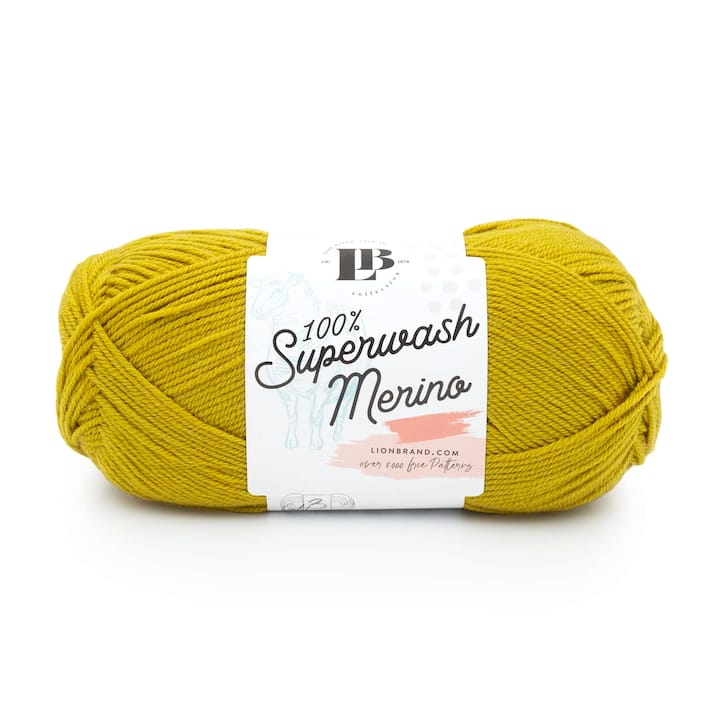
The LB Collection Merino Yak Alpaca Yarn combines merino’s softness with the warmth of yak and alpaca, producing a yarn that performs beautifully in fitted garments and cozy accessories. For knitters who want to put merino’s benefits to work immediately, Lion Brand’s free pattern library includes options at every skill level, from the Emory Toque for beginners to fitted sweaters for experienced knitters. Browse the full collection of knit and crochet kits to find a project that puts every merino advantage to work.
FAQ
What makes merino wool softer than regular wool?
Merino wool fibers measure below 19 microns in diameter, compared to 30 or more microns for standard wool. Finer fibers bend on contact with skin rather than poking, which eliminates the itching sensation most people associate with wool.
Is merino wool yarn good for sensitive skin?
Superfine merino is widely recommended for sensitive skin and baby garments. Most wool sensitivity is caused by coarse fiber diameter, not a true allergy, and merino’s fine fibers avoid that mechanical irritation entirely.
How often should you wash a merino wool knit?
Merino garments do not need frequent washing. Airing the piece out between wears neutralizes odors naturally through the fiber’s structure, and most knitters wash merino only a few times per season.
Can merino wool yarn be used for warm-weather knitting?
Merino is suitable for year-round use. Its moisture management and natural ventilation keep wearers comfortable in warm conditions, making it a practical choice for lightweight spring and summer garments, not just winter knits.
How long does a merino wool knitted garment last?
With proper care, merino garments last more than five years. The fiber withstands over 20,000 bends without breaking, and its natural elasticity helps the knit retain its shape through years of regular wear.