Cotton yarn uses for crocheters: summer projects guide
Cotton yarn is having a moment, and for good reason. If you’ve ever grabbed a skein of cotton and wondered exactly which projects will make the most of it, you’re not alone. Cotton yarn uses for crocheters span everything from breezy summer tops to sturdy market bags to kitchen staples that survive years of daily washing. This guide cuts through the guesswork and gives you a clear, practical picture of where cotton shines, where it asks more of your technique, and how to pick the right project for your skill level and goals this season.
Table of Contents
Comparing cotton yarn project demands: weight, care, and ease
Highlighting top cotton yarns for versatile crochet projects
Explore cotton yarns and patterns to start your summer crochet projects
Key Takeaways
| Point | Details |
|---|---|
| Breathable and durable | Cotton yarn offers breathability and durability ideal for summer crochet projects and frequent washing. |
| Suitable project variety | Cotton yarn is perfect for dishcloths, market bags, summer garments, and home décor items. |
| Manage cotton tension | Crocheters should relax tension with cotton yarn to avoid stiffness and ensure comfortable fabric drape. |
| Use scrap yarn creatively | Scrap cotton yarn works well in colorful blankets, bags, washcloths, and amigurumi projects. |
| Choose quality yarn | Selected cotton yarns with vibrant colors and smooth texture enhance stitch definition and project comfort. |
How to evaluate cotton yarn for your crochet projects
Building a solid understanding of cotton yarn’s properties helps you choose the right projects and techniques. Cotton fiber creates a crisp, structured fabric that breathes beautifully in warm weather. Unlike wool, it doesn’t trap heat against your skin, which is exactly why it dominates summer garment patterns. The tradeoff is that cotton has almost no natural stretch, so the fabric you produce is firm and defined rather than forgiving and elastic.
Cotton yarn properties explained simply: the fiber is dense, smooth, and strong. That density is what makes it machine washable and drying-safe without warping or shrinking, which is a genuine advantage for kitchen items, baby accessories, and anything that sees heavy use. You can run a cotton dishcloth through a hot wash cycle without a second thought.
Key cotton yarn crochet properties to keep in mind before you cast on:
No stretch: Cotton doesn’t give the way acrylic or wool does. If your tension is too tight, the finished fabric will feel stiff and board-like.
Stitch definition: Every stitch shows clearly. This is a gift for textured patterns like basketweave or bobble stitches, but less forgiving of uneven tension.
Breathability: The fiber wicks moisture and allows airflow, making it ideal for warm-weather wear.
Weight: Cotton is heavier than the same volume of acrylic. Large projects like blankets will be substantial.
Care: Machine wash, tumble dry, and high-heat ironing are all safe, which is a major cotton yarn advantage for practical items.
Pro Tip: Go up half a hook size from what the label recommends when crocheting with cotton. The extra ease in your stitches prevents that stiff, cardboard-like result that trips up so many first-time cotton users. Pairing the right fiber with choosing proper crochet hooks makes a noticeable difference in how your finished fabric drapes and feels.
Popular cotton yarn crochet projects for summer
With these typical project types in mind, let’s explore each one’s yarn demands and care benefits. Crochet cotton yarn projects fall into a few reliable categories, and each one plays to a specific strength of the fiber.
Market bags are where cotton really earns its reputation. The fiber holds structure under weight, so your bag won’t stretch out of shape when loaded with groceries. Cotton market bags made with longer yardage cones create durable, washable bags built for summer hauls at the farmers market or beach. A market tote bag pattern in cotton is one of the most satisfying projects you can finish in a weekend.
Summer garments are where cotton’s breathability matters most. Tank tops, beach cover-ups, and lightweight cardigans in cotton feel cool against skin in a way that acrylic simply cannot replicate. Stitch definition also means that lace and shell stitches read beautifully in cotton, making your work look polished and intentional.
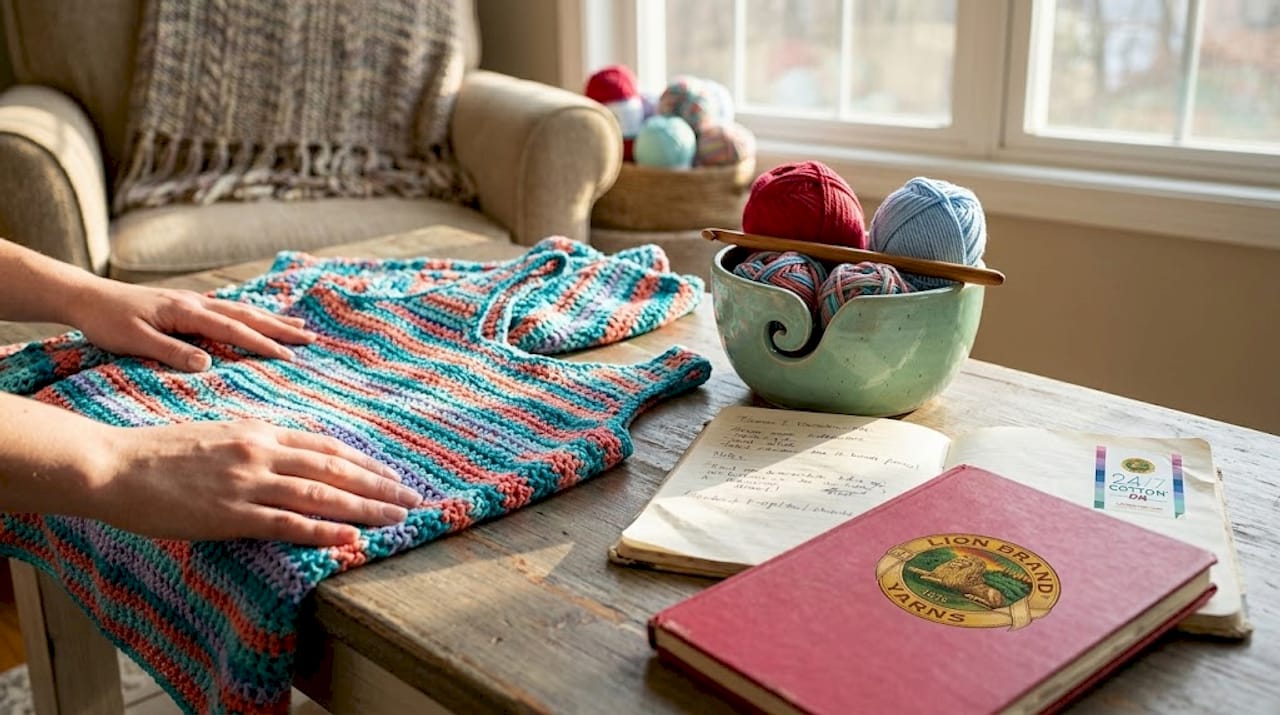
Home décor rounds out the list. Coasters, placemats, small baskets, and even lightweight throws all suit cotton fibers well. The fiber’s durability means these pieces hold up to real daily use rather than becoming display-only items.
Comparing cotton yarn project demands: weight, care, and ease
Understanding these trade-offs arms you with the knowledge to pick the perfect cotton yarn project for your needs. Not every cotton project asks the same thing of you or your yarn stash, and a side-by-side comparison makes the differences concrete.
| Project | Yarn weight | Approx. yardage | Drying time | Skill level |
|---|---|---|---|---|
| Dishcloth | Worsted | 80 to 95 yards | Fast | Beginner |
| Market bag | Worsted/DK | 400 to 700 yards | Moderate | Beginner to intermediate |
| Summer top | DK/Worsted | 600 to 1,200 yards | Moderate | Intermediate |
| Coasters (set of 4) | Worsted | 100 to 150 yards | Fast | Beginner |
| Lightweight throw | Worsted/Aran | 1,500+ yards | Slow | Intermediate |
Large cotton blankets get heavy and air-dry slowly compared to synthetic alternatives, so worsted or aran weights are the sweet spot for balancing drape and manageability in larger pieces. For smaller projects like dishcloths and coasters, this weight is a non-issue.
A few practical notes on managing cotton yarn projects:
Tension matters more than with wool. Cotton holds shape well but requires relaxed tension to avoid a stiff finished fabric.
Block your finished pieces. Cotton responds beautifully to wet blocking, which opens up lace and evens out stitches.
Plan for weight in wearables. A cotton summer top will feel heavier than an acrylic one. Choose DK weight over worsted for garments to keep things comfortable.
Pro Tip: When working a cotton garment, lay your swatch flat and measure it after blocking, not before. Cotton relaxes and spreads with moisture, and your gauge will shift. Matching the right hook to your yarn is easier when you use soft touch crochet hooks that reduce hand fatigue during longer cotton projects.
Creative ways to use scrap cotton yarn in crochet
Maximizing your cotton yarn stash opens up fun, sustainable project possibilities for all skill levels. Cotton scraps are among the most useful leftovers in any yarn collection because the fiber is practical, washable, and colorful enough to mix freely.
Here are five smart ways to put scrap cotton to work:
Granny squares and motifs. Scrap cotton works beautifully for granny square blankets because color changes at each round hide joins naturally. A single square uses as little as 10 to 15 yards, making even the smallest scraps useful.
Face scrubbies and mini washcloths. These use 20 to 40 yards each and make thoughtful handmade gifts. A set of six fits neatly in a small gift bag and takes less than two hours total.
Crochet baskets. Holding two or three strands of different cotton scraps together creates a thick, sturdy basket fabric. Mixed weights and colors add eclectic charm rather than looking mismatched.
Cotton yarn for amigurumi. Small amigurumi figures consume tiny amounts of yarn, and cotton’s stitch definition makes the details read clearly. Eyes, mouths, and color block sections all look crisp in cotton.
Colorful coasters. A single coaster uses roughly 25 to 35 yards, making it the perfect scrap project. Work a set in coordinating scraps for a cohesive look that uses up odds and ends.
Pro Tip: When joining lots of different cotton scrap colors, use the Russian join method instead of weaving in ends. It buries the tail inside the yarn itself, which means fewer loose ends to manage on a project with 20 or 30 color changes. For a scrap-friendly project that works up fast, a fast finish throw pattern can be adapted for cotton scraps held together.
Highlighting top cotton yarns for versatile crochet projects
Now that you know project uses and yarn qualities, let’s spotlight some leading cotton yarns for your next creation. The best cotton yarn for crocheting combines smooth texture, consistent twist, and a color range wide enough to suit any project palette.
24/7 Cotton Yarn from Lion Brand is a standout for everyday cotton crochet. It’s 100% mercerized cotton, which means the fiber has been treated to increase luster and reduce shrinkage. The color range is extensive, covering everything from classic neutrals to bold brights. If you want one cotton yarn that handles the widest variety of crochet patterns with cotton yarn, this is it.
Lion Brand Cotton Bamboo Yarn blends cotton softness with bamboo’s natural sheen and enhanced drape. The result is a fabric that feels slightly silkier than 100% cotton and drapes more fluidly, which makes it especially well-suited for wearables like summer tops and lightweight wraps.
“Soft, smooth, 100% cotton with excellent stitch definition and a wide color range” is what makes quality cotton yarn perfect for garments and home décor across skill levels.
Here’s a quick comparison of these two featured options:
| Yarn | Fiber content | Weight | Best for | Finish |
|---|---|---|---|---|
| 24/7 Cotton DK | 100% mercerized cotton | DK | Garments, bags, dishcloths | Matte with light sheen |
| Cotton Bamboo | Cotton/bamboo blend | DK | Wearables, wraps, lightweight décor | Soft sheen, silky drape |
Pro Tip: If you’re new to cotton crochet, start with the 24/7 Cotton DK. Its consistent twist and smooth surface make it easier to work with than rougher cotton options, and it’s widely available in the colors you actually want to use.
Why cotton yarn deserves a spotlight in summer crochet
Most crocheters reach for cotton because they’ve heard it’s good for dishcloths. That’s true, but it undersells the fiber dramatically. Cotton’s real strength is that it sits at the intersection of practicality and beauty in a way no other common fiber does.
Cotton yarn provides breathability, durability, and easy care that synthetics can’t match for warm weather projects. You can make a cotton summer top that actually feels cool to wear, wash it on hot when it gets sweaty, and have it come out looking exactly as it did the day you finished it. Try that with an acrylic garment.
The lack of stretch that intimidates new cotton crocheters is actually a feature once you learn to work with it. It forces you to develop consistent tension, which improves your overall crochet technique faster than forgiving fibers do. Crocheters who work through a few cotton projects often notice their tension improving across all their work.
Cotton is also underappreciated for color. Mercerized cotton takes dye deeply and evenly, producing colors that stay vivid wash after wash. That rich, clear color is why cotton dishcloths and market bags look so much more intentional and polished than the same items made in acrylic. The stitch clarity that can feel unforgiving when your tension is off becomes a genuine asset when you want a textured pattern to make a visual impact.
The one honest caveat: don’t start with a large cotton blanket as your first cotton project. The weight and slow drying time will frustrate you before you get to appreciate the fiber’s strengths. Start with a dishcloth or a market bag, get comfortable with the tension, and then scale up. Cotton rewards patience.
Explore cotton yarns and patterns to start your summer crochet projects
Ready to begin? These curated yarns and patterns make starting your summer cotton crochet projects simple and fun. Lion Brand’s cotton yarn collection gives you exactly what you need to put this guide into practice, from your first dishcloth to a full summer wardrobe.
Start with a crochet washcloth pattern to get a feel for cotton’s texture and stitch definition, then move up to a market tote bag pattern for a weekend project that’s both practical and satisfying. For your yarn, the 24/7 Cotton DK Yarn covers the widest range of summer projects with its durable mercerized finish and rich color selection. If you want a softer, drapier option for garments, the Cotton Bamboo Yarn is the upgrade worth reaching for.
Frequently asked questions
What makes cotton yarn ideal for summer crochet projects?
Cotton is breathable and absorbs moisture, and it withstands machine washing and drying without damage, making it the go-to fiber for warm weather garments and frequently used household items.
How much cotton yarn do I need to make a dishcloth?
A standard cotton dishcloth uses 80 to 95 yards of worsted weight cotton yarn with a 5.5mm hook, finishing at approximately 8.5 by 8.5 inches.
Can scrap cotton yarn be used effectively in crochet projects?
Yes. Scrap cotton works well for granny squares, washcloths, and market bags where color changes naturally hide joins and create colorful, intentional-looking designs.
What types of crochet projects are best for heavier cotton yarn weights?
Worsted or aran weight cotton balances drape and structure well for summer tops and wearable projects, while DK weight is better for lighter garments that need to feel comfortable all day.
Are cotton yarn projects durable and easy to care for?
Absolutely. Cotton holds shape well and survives hot water washing and machine drying without damage, making it one of the most practical fiber choices for everyday household items and gifts.

