
3 Fast, Safe Ways to Soften Acrylic Yarn, and When to Buy Softer Yarn
The fastest way to soften acrylic yarn is a soak for finished projects, steam blocking for quick fixes, or a fabric softener rinse followed by a low, gentle dryer tumble. All three work in under an hour. Skeins respond best to a freezer trick or a delicate wash before you cast on. Skip high heat entirely. It melts or permanently warps acrylic fibers.
Freezing a skein for 24 to 48 hours effectively loosens stiff acrylic fibers before starting a project.
Soaking remains the most reliable method for softening finished acrylic pieces, lasting through several washes.
Steam treatments quickly loosen fibers and improve drape, especially for delicate or textured yarns, with minimal risk of distortion.
Avoid high heat in dryers or irons, as it can melt or permanently deform acrylic fibers, and always test colorfastness first.
Premium or hand-dyed acrylics generally require less treatment, as they are often spun softer and more dye-stable; over-treatment can damage the yarn.
Table of Contents
Which Softening Method Should You Use?
Not every acrylic project needs the same treatment. A scratchy scarf and a stiff blanket skein call for different fixes, and picking the wrong one wastes time.
Community experiments consistently point to the same handful of core techniques, with results that vary by yarn brand and item size, according to a side-by-side comparison of softening methods. Here’s the quick breakdown:
Hair conditioner soak: Best result for finished items; moderate effort, 20 to 30 minutes, very low risk.
Fabric softener rinse: Good for blankets and large pieces; low effort, low cost, moderate risk of residue buildup.
Steam treatment: Fastest fix for drape and stiffness; low effort, requires careful technique, low risk if you avoid direct contact.
Dryer tumble with balls: Best paired with another method; very low effort, 10 to 15 minutes, moderate risk if heat is too high.
Freezer method: Best for stiff skeins before you start a project; almost no effort, 24 to 48 hours, virtually no risk.
White vinegar rinse: Good for removing sizing and residue; low effort, low cost, low risk.
Small wearables and baby items usually only need one pass with conditioner or steam. Blankets and heavy afghans do better with a fabric softener soak plus gentle drying support.
How Do You Soften a Skein Before You Start?
Pre-softening a skein saves you from fighting stiff yarn for the entire project. It also means you handle raw fiber, not finished stitches, so mistakes are easier to fix.
Place the skein in a sealed zip-top bag and put it in the freezer for a day or two.
Remove the bag and let the yarn thaw at room temperature for two to three hours before opening it.
Unwind the skein loosely and fluff it by hand to release trapped stiffness.
If the yarn still feels rough, place it in a lingerie bag and run it through a delicate wash cycle with a small amount of mild detergent, if needed.
Lay the skein flat on a towel to air dry completely before winding it into a ball, allowing ample drying time.
Freezing works because trapped stiffness in cheaper acrylic often loosens once fibers expand and contract with temperature change, a trick borrowed from budget yarn experiments documented by PlasticRanger.
Pro Tip: Cut a small sample from the skein’s end and test your chosen method on it first. If the color holds and the texture improves, treat the full skein with confidence.
Skip pre-softening on premium acrylic blends or hand-dyed skeins. These are usually already spun for a softer hand, and washing before you even swatch risks uneven dye release you can’t undo.
How Do You Soften a Finished Knit or Crochet Item?
Once a project is off the hook or needles, you have more room to work since you’re treating fabric, not loose fiber. The right method depends on size and how much residue you’re willing to leave behind for lasting softness.
Fill a basin with lukewarm water and add a suitable amount of hair conditioner, enough to coat the fiber well.
Submerge the item and let it soak for 20 to 30 minutes, gently pressing it under the water once or twice.
Rinse in cool water, leaving a light residue of conditioner, as a slight coating helps maintain softness longer.
For fabric softener, dilute a small amount in a sink of water, hand wash gently, then rinse well.
Roll the item in a towel to remove excess water, then lay it flat to dry, shaping it as it sets.
For an extra boost, tumble the damp item in a mesh laundry bag with two dryer balls on a low or delicate heat setting for a short time.
Small-scale tests point to conditioner soaks as the single most reliable way to transform a scratchy finished piece into something soft enough to wear, per the same hands-on method comparison. Blankets and heavy garments need extra support while wet. Lay them flat on a mesh drying rack instead of hanging, since soaked acrylic stretches under its own weight.
Can Steam or a Quick Tumble Work Instead?
Steam is the shortcut when you don’t have 30 minutes to spare or you’re worried a full soak might distort a lace or textured stitch pattern.
Hold a handheld steamer or the steam vent of an iron two to three inches above the fabric.
Move it steadily across the surface in slow passes, never letting the iron plate itself touch the yarn.
Smooth the fabric lightly with your hand as it cools to set the relaxed fibers in place.
Repeat on stubborn stiff spots, focusing extra passes on ribbing or cabled sections.
Steam blocking loosens tightly packed acrylic fibers and improves drape almost instantly, which is why it ranks as the quickest method in most comparisons, according to The Loopy Lamb’s testing notes. For a no-soak alternative, tuck the item into a pillowcase with two or three dryer balls and tumble on low for 10 to 15 minutes.
Pro Tip: Choose steam over a soak whenever you’re working with a delicate lace pattern or a yarn blend containing wool. Wet treatments risk more distortion than a few passes of steam ever will.
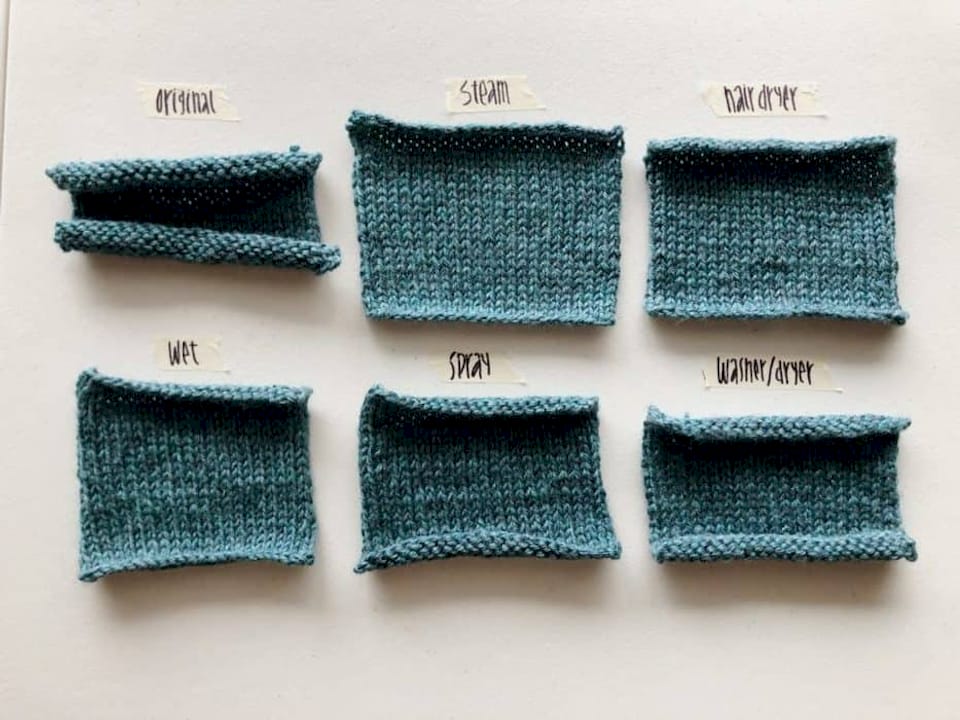
Pick steam for anything shaped or blocked already. Save the soak for pieces where a slightly looser fit from soaking won’t matter.
What Risks Should You Watch For?
Acrylic is a synthetic fiber, and heat is its one real enemy. A single mistake with the iron or dryer can undo hours of work permanently.
Never use high heat settings on a dryer or hold an iron directly against acrylic fabric; both can melt or flatten the fibers beyond repair.
Stick to low or delicate dryer settings, since textile-care guidance confirms acrylic deforms permanently under sustained high temperatures.
Test colorfastness first: wet a small swatch, press it against a white cloth, and check for dye transfer before treating the whole piece.
If color bleeds, stop immediately, rinse in cold water only, and let the item air-dry away from other fabrics.
If a treatment leaves the yarn feeling waxy or stiff, re-rinse in plain water and air-dry flat rather than repeating the same soak.
Favor several light treatments over one aggressive one. Repeated stress on the fibers, not the softening agent itself, causes most permanent damage.
What Does Lion Brand Recommend?
For more than 145 years, Lion Brand has engineered yarns so crafters spend less time fighting fiber and more time making. That kind of long-term product development shapes which acrylic lines need little or no softening in the first place.
Reach for Vanna’s Choice yarn when you want a reliably soft, budget-friendly acrylic for gifts and everyday wearables.
Pair a child’s project with the Pullover and Pants set, built around yarn already spun for a gentle hand against skin.
For blankets, the Granny Baby Throw pattern uses a fiber blend designed to need minimal post-treatment.
If you’re softening a finished piece anyway, keep a set of Clover bamboo repair hook on hand for reworking any edges that felt stiff before treatment.
Quick-Start Checklist for Softening Acrylic
Gather hair conditioner, fabric softener, white vinegar, a handheld steamer, and two or three dryer balls before you begin. Test a swatch first, then match your item to a method above and follow the yarn label’s care instructions exactly.
How Long Does Softened Acrylic Yarn Stay Soft?
Softness from a conditioner soak or fabric softener rinse generally lasts through several wears and washes before gradually fading. That’s because both methods work by coating the fiber surface rather than changing the acrylic itself, and normal detergent gradually strips that coating away.
Steam-treated items hold their improved drape a bit longer since steam relaxes the fiber structure directly instead of just adding a surface layer. Expect the effect to persist through multiple wears, though it can loosen again after a hot wash or heavy handling.
The freezer method can deliver a lasting change to skein stiffness because it treats the yarn before it’s under stitch tension. Once a skein is worked into fabric, that looseness is more stable.
As a general rule, plan to repeat a conditioner soak or fabric softener rinse every few washes if an item starts to feel stiff again. Baby blankets and everyday throws that see frequent laundering need this refresh more often than an occasional-wear sweater. Leaving a slight residue during rinsing, rather than washing an item completely clean, extends softness noticeably longer between treatments.
When Is It Worth Treating vs. Buying Softer Yarn?
Repeated soaks cost time; a soft-spun acrylic costs a little more upfront. For baby items and anything worn against skin, skip the treatment cycle and start with yarn like Vanna’s Choice instead.
Shop Soft Acrylic Yarns and Kits Built for Easy Projects
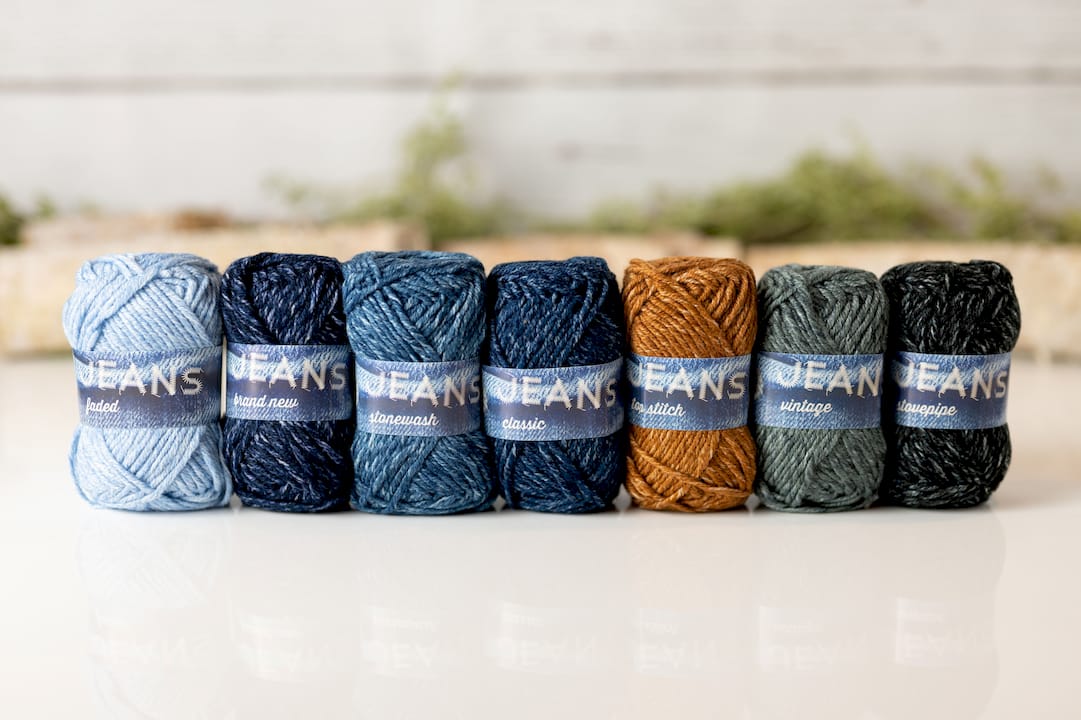
Lion Brand’s advantage over trial-and-error softening is simple: start with yarn engineered for a soft hand, and skip the soak entirely. Jeans® Yarn delivers that comfortable, broken-in feel straight off the skein, no conditioner or dryer tricks required.
That matters most on projects worn close to skin, where scratchy fiber ruins an otherwise great pattern. Pairing a soft-spun yarn with a project like the Soft Shaded Afghan means the finished piece feels good the moment it comes off the needles, not after a round of home treatment. If you’d rather build a whole project kit around soft, ready-to-use yarn, browse the Crochet Kit – Diana Basket for a beginner-friendly option that skips the guesswork on fiber choice altogether. Check out Jeans® Yarn today and start your next project with softness already built in.
Sources
How To Make Acrylic Yarn Softer (Easy Methods That Actually Work) – PlasticRanger
Unlocking The Mystery: Does Fabric Softener Work On Acrylic Yarn? Discover The Truth – MyHomeNiche
FAQ
Why avoid acrylic yarn?
Acrylic isn’t something to avoid outright. It’s durable, affordable, and machine-washable, but budget versions can feel stiffer than natural fibers until softened with a conditioner soak, steam, or a low-heat dryer tumble.
Can you put 100% acrylic yarn in the dryer?
Yes, but only on low or delicate heat. High heat settings can melt or permanently warp acrylic fibers, so always tumble finished items on the lowest setting available.
Does acrylic yarn loosen after washing?
Yes. A gentle wash with mild detergent or a diluted fabric softener rinse typically loosens stiff fibers and improves drape
How can I soften acrylic yarn sweaters?
Soak the sweater in lukewarm water with a tablespoon of hair conditioner for 20 to 30 minutes, rinse gently, then lay it flat to dry for the softest, most reliable result on wearable knits.

